Song Meaning
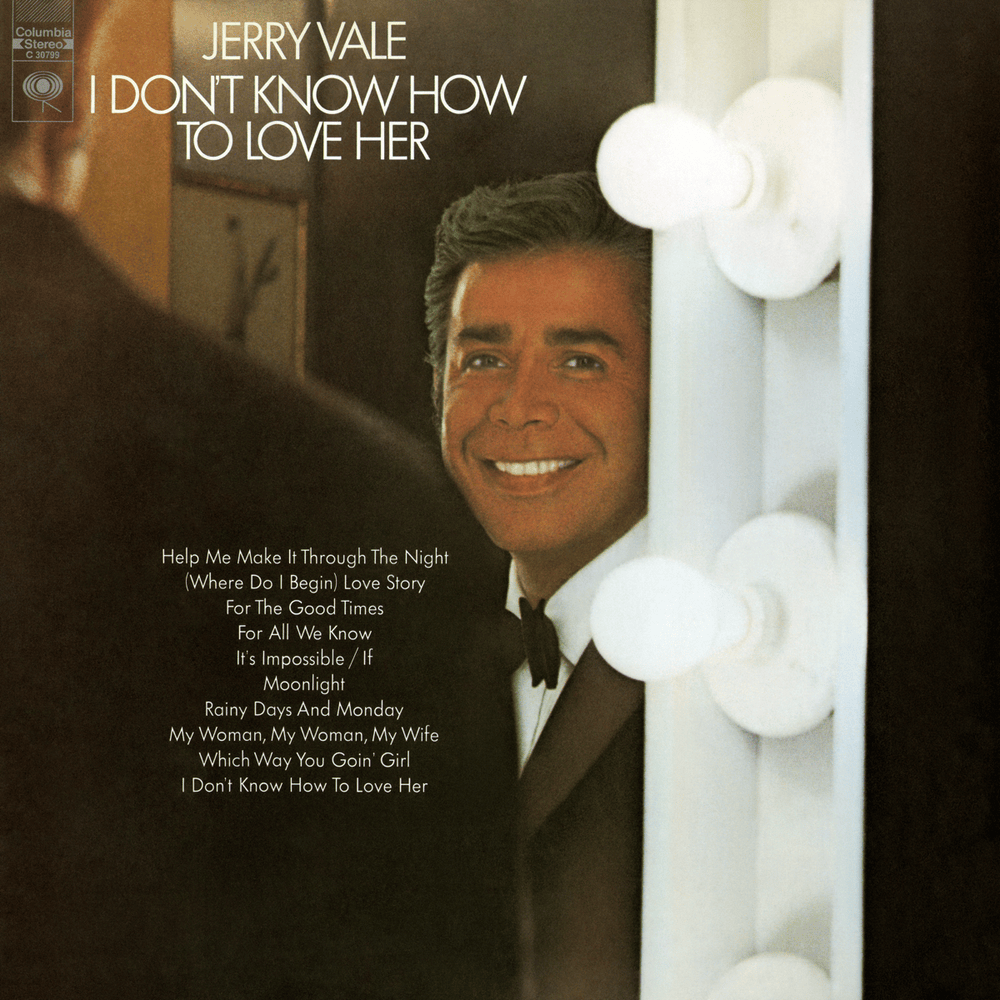
Jerry Vale's rendition of "For the Good Times" isn't just a farewell; it's a study in the bittersweet art of letting go. The song meaning resides in that delicate space between acceptance and denial, where the end of a relationship is acknowledged, yet the comfort of intimacy is desperately craved for one last night. Vale’s delivery, steeped in a nostalgic tenderness, underscores the inherent human struggle to reconcile logic with raw emotion. The opening lines, "Don't look so sad, I know it's over," act as a fragile attempt at stoicism, immediately countered by the vulnerable plea to "make believe you love me one more time."
The lyrics paint a portrait of a love affair reaching its inevitable conclusion. The lines "There's no need to watch the bridges that we're burning" suggest a mutual understanding, perhaps even a weariness, that the relationship has run its course. But beneath the surface of acceptance lurks a deep well of yearning. The repeated request to "lay your head upon my pillow, hold your warm and tender body close to mine" transcends mere physical desire. It speaks to a profound need for connection, a desperate clinging to the familiar comfort that love, even fleetingly, provides. The imagery of raindrops whispering against the window adds to the melancholic atmosphere, amplifying the sense of intimacy and impending loss.
Ultimately, "For the Good Times" explores the complex psychology of human attachment and the difficulty of severing emotional bonds. The narrator attempts to project strength and understanding ("I'll get along, you'll find another"), but the underlying vulnerability is palpable. The phrase "For the good times" isn't just a nostalgic reflection; it's a coping mechanism, a way to momentarily stave off the pain of separation by focusing on the positive memories shared. The song's power lies in its honest portrayal of the conflicting emotions that accompany the end of a relationship: sadness, acceptance, and the enduring human desire for love and connection.
 View Artist