Song Meaning
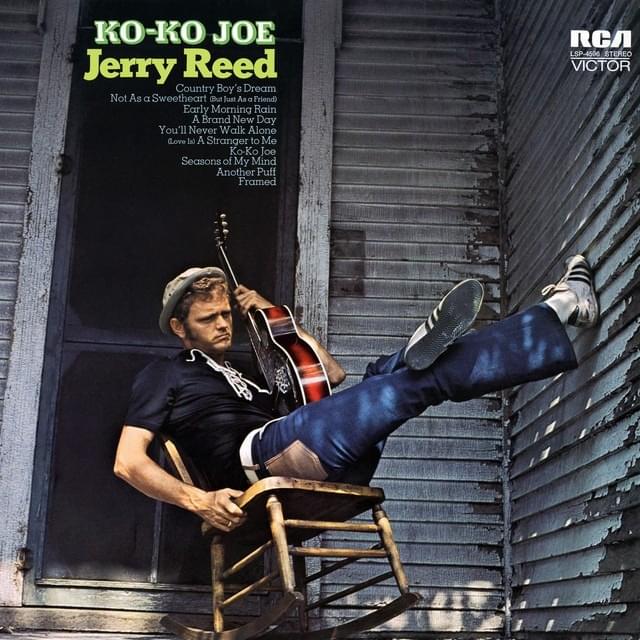
{"song_id": 14350509, "meaning": "Jerry Reed's rendition of \"You'll Never Walk Alone\" isn't just a song; it's a stark emotional architecture built for weathering personal tempests. Stripped of pretense, the song meaning resides in its raw empathy, offering solace without minimizing the storm's ferocity. It's a hand extended in the darkness, acknowledging the inherent loneliness of struggle while simultaneously dissolving it. The genius is in the directness: 'Hold your head/Hold it high/And don't you be afraid of the dark.' This isn't saccharine encouragement; it’s a command born of shared experience. Reed, a master storyteller, understands that sometimes the most powerful comfort comes from simply being told to keep moving. The 'neighbor' address creates a sense of community and shared humanity, a critical element in overcoming adversity.
The imagery, though simple, is potent. The 'bright, golden star' and 'sweet, silver song of the lark' aren't escapist fantasies but hard-won rewards at the storm's end. They represent hope not as a passive wish but as an active pursuit, something earned through perseverance. The repetition of 'Walk on' becomes a mantra, a rhythmic pulse against the chaos. It's a call to action, urging the listener to embody resilience. The song's central promise, 'You'll never, never/Never walk alone,' isn't a guarantee of an easy path, but an assurance that even in isolation, one remains connected to a collective strength.
Ultimately, the song's power lies in its understanding of the human psyche. It acknowledges the vulnerability inherent in facing adversity while simultaneously stoking the fire of inner fortitude. It speaks to the universal need for connection and the transformative power of hope, not as a naive delusion, but as a necessary tool for survival. Jerry Reed delivers more than just a song, he delivers a lifeline. \"You'll Never Walk Alone\" offers a quiet, unwavering promise to those navigating their personal storms, reminding us that even in the darkest hours, the possibility of dawn—and the strength to reach it—remains."}
 View Artist