Song Meaning
Jerry Reed's rendition of "Wabash Cannonball" isn't just a song; it's a mythologized journey across the American landscape, a testament to the power of folklore and the enduring spirit of the rails. The lyrics paint a vivid picture of a train that transcends mere transportation, becoming a symbol of unity, remembrance, and even transcendence. The train itself becomes a character, a 'mighty big and handsome' entity recognized from coast to coast, a 'regular combination' suggesting it's more than just steel and steam; it's a cultural touchstone. The song is less about the literal train and more about the communal experience and shared identity it represents. It's a celebration of Americana, romanticizing the open road and the connections forged along the way. The Wabash Cannonball becomes a vessel not just for passengers, but for memories and legacies.
The repeated refrain about the 'little gal from Tennessee' who arrived on the Wabash Cannonball introduces a personal element, hinting at individual stories woven into the larger narrative of the train's journey. This character, arriving from Birmingham, adds a layer of human connection to the mechanical marvel, suggesting the train is a vehicle for personal journeys and new beginnings. It is not just a train but also a symbol of hope and opportunity. The song shifts gears with the verse dedicated to 'Daddy Claxton,' transforming into a poignant eulogy. This verse elevates the Wabash Cannonball beyond a simple mode of transport; it becomes a metaphorical vehicle to the afterlife, a train carrying the deceased 'home to victory.' This blending of earthly travel with spiritual passage underscores the song's deeper theme of remembrance and the cyclical nature of life and death.
Ultimately, "Wabash Cannonball," as performed by Jerry Reed, is a multifaceted narrative that taps into the collective American psyche. It's a song about journeys, both physical and spiritual, about connecting people and places, and about immortalizing memories. Reed’s interpretation preserves the traditional elements of the song while adding a layer of narrative depth, ensuring its continued relevance as a powerful symbol of American identity and the enduring allure of the open road (or, in this case, the open rails). It’s a song that acknowledges the past, celebrates the present, and subtly nods to the great unknown that awaits us all.
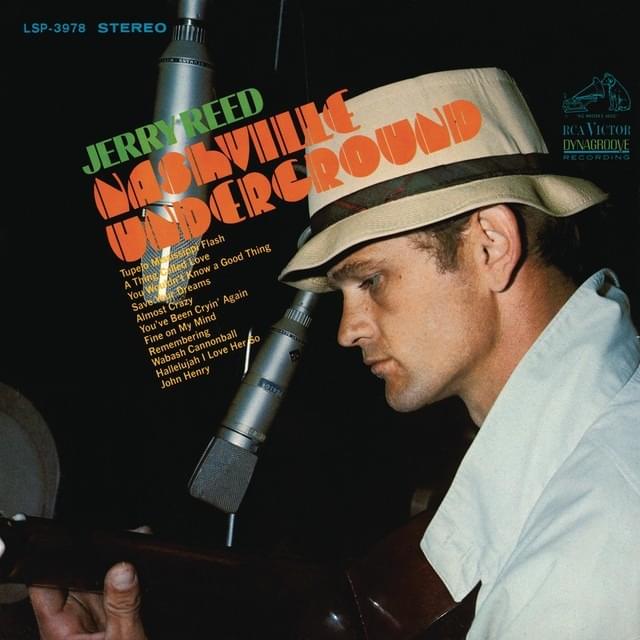
 View Artist