Song Meaning
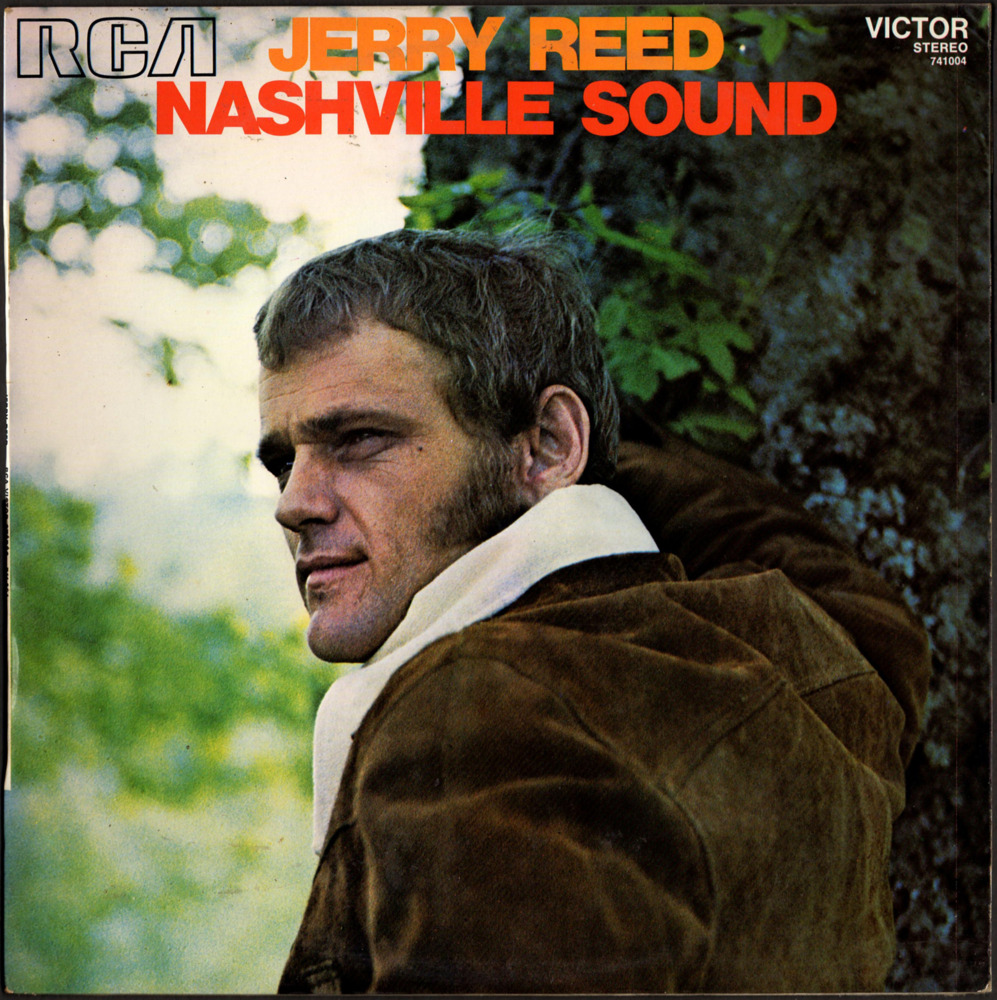
Jerry Reed's rendition of "St. James Infirmary" isn't just a blues lament; it's a raw, almost theatrical exploration of grief, denial, and the peculiar comfort found in self-pity. The song anchors itself in the iconic setting of the St. James Infirmary, a place of suffering where the narrator confronts the reality of his lover's illness—or perhaps, metaphorically, the terminal state of their relationship. The repeated line, "I heard my baby moan," isn't simply about physical pain; it's the sound of a bond irrevocably breaking, a primal cry that echoes the narrator's own internal anguish. He's not merely heartbroken; he's existentially wounded. It's a performative grief, delivered in a way that allows the listener to feel the narrator's pain, but also to question his self-awareness.
The narrator's attempts at bravado, particularly in the lines, "She ain't never gonna find a simple man like me," ring hollow. It's a defense mechanism, a fragile shield against the overwhelming pain of abandonment and loss. The invocation of divine blessing, "Let her go let her go God bless her," feels less like genuine well-wishing and more like a desperate attempt to convince himself (and perhaps the listener) that he's moved on. The juxtaposition of this supposed blessing with the stark reality of the infirmary highlights the disconnect between his proclaimed acceptance and his actual, visceral suffering. He seeks solace in the familiar, the "cold hard liquor" and the "regular crowd" at Joe's barroom, but these are only temporary distractions from the gaping wound left by his lost love.
The song's cyclical structure, returning again and again to the image of the moaning baby at the St. James Infirmary, reinforces the idea of inescapable pain. The infirmary becomes a symbol of his own internal state, a place of perpetual suffering and unresolved grief. Jerry Reed's delivery adds layers of complexity. Is it a lament? A boast? A warning? It is all three, perfectly intertwined, and the song's enduring power lies in its unflinching portrayal of a man grappling with loss, clinging to pride, and ultimately, finding himself trapped in a cycle of sorrow of his own making. The song meaning resides not in the simple narrative, but in the psychological depth of the narrator's flawed and very human response to heartache.
 View Artist