Song Meaning
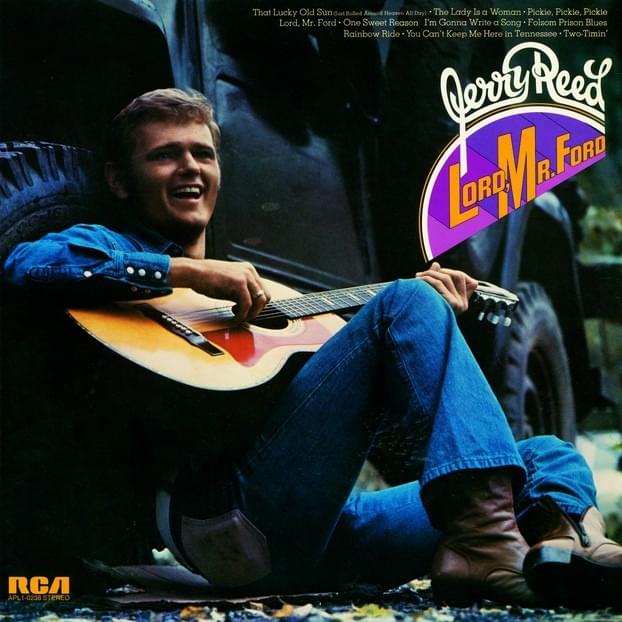
Jerry Reed's rendition of "Folsom Prison Blues" isn't just a cover; it's a masterclass in empathy and the psychology of regret. The song, a well-trod narrative of incarceration, transcends simple outlaw country tropes to tap into something far more profound: the crushing weight of lost potential and self-inflicted isolation. Reed doesn't glorify the violence; he inhabits the mind of a man haunted by a single, irreversible act, forever tethered to the consequences. The train, a recurring motif, becomes the cruelest symbol of freedom just out of reach, a constant reminder of the life he forfeited. It mocks him, carrying others to prosperity and movement while he's locked in stagnant despair. The 'rich folks eatin' in a fancy dining car' aren't just a detail; they're a pointed contrast highlighting the chasm between his reality and the life he could have had. This is not just about being in prison; it's about being imprisoned by one's own choices.
The lyrics, though simple, are devastatingly effective in their portrayal of remorse. The line about shooting a man in Reno and watching him die is delivered without bravado, only stark, cold fact. His mother's warning – 'Always be a good boy don't you mess around with guns' – underscores the sense of betrayal, not just of societal norms, but of a primal maternal trust. This isn't a hardened criminal; it's a broken man grappling with the knowledge that he squandered his potential for a single, senseless act of violence. The 'lonesome whistle' becomes a mournful soundtrack to his internal suffering, a blues melody that echoes the hollowness of his existence. The train's journey symbolizes the path he can no longer take.
Ultimately, the song's power lies in its ability to evoke empathy without condoning the crime. Reed’s interpretation of "Folsom Prison Blues" doesn't offer redemption or justification; it offers understanding. It's a stark reminder of the permanence of consequences and the psychological toll of a life derailed by a single, fatal decision. The song meaning resides in the psychological prison the narrator has built for himself, more suffocating than the walls of Folsom. The dream of freedom, the train headed 'just a little bit farther down the line,' represents a yearning for a life that can never be reclaimed, a poignant exploration of regret and the enduring power of choice.
 View Artist