Song Meaning
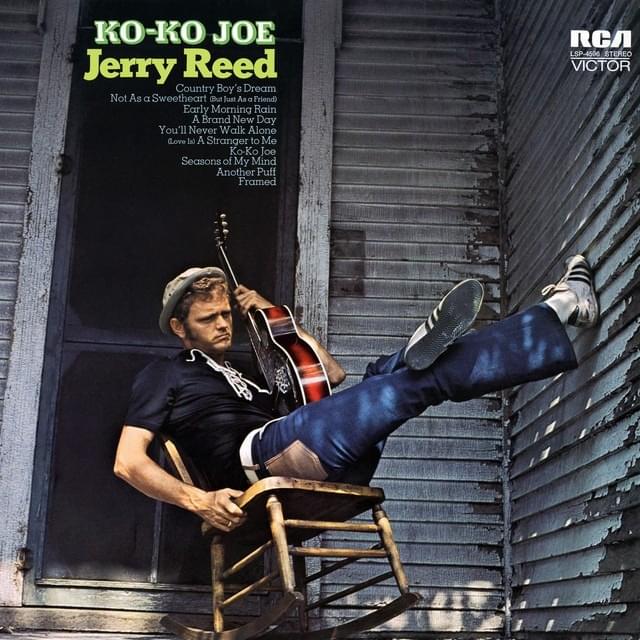
Jerry Reed's rendition of "Early Morning Rain" is not just a country lament; it's a stark portrait of displacement and yearning, painted with the grit of lived experience. The song's protagonist, stranded at an airport with "a dollar in my hand / And an aching in my heart," embodies a profound sense of being untethered. The "early morning rain" itself becomes a symbol of his desolation, a constant, melancholic backdrop to his isolation. It's a rain that washes away not just the night, but also any hope of immediate escape or redemption. The "pockets full of sand" suggest a fruitless journey, a pursuit of something that ultimately slipped through his fingers. This isn't just about being far from home; it's about being far from himself.
The airport setting amplifies the theme of longing. The sight of the "Big 707 set to go" becomes a cruel reminder of the protagonist's immobility. He's "out here on the grass / Where the pavement never grows," a place of stagnation and unfulfilled potential. The contrast between his earthbound existence and the plane's soaring ascent is palpable. The lyrics hint at a past life of hard living – "where the liquor tasted good / And the women all were fast" – but these fleeting pleasures offer no solace in his current predicament. The repeated line, "There she goes my friend / She's rolling out at last," can be interpreted in multiple ways. "She" could be a lover, a symbol of opportunity, or even a representation of a better life, all now receding from his grasp. The line speaks volumes about the pain of watching dreams take flight while remaining grounded in harsh reality.
The realization that the plane will fly over his home in "about three hours time" adds a layer of poignant irony. He's physically close to what he desires, yet emotionally and circumstantially distanced. The final verses drive home the feeling of entrapment: "This ol' airport's got me down / It's no earthly good to me." The admission of being "cold and drunk" strips away any romanticism, revealing the raw vulnerability of his situation. The inability to "jump a jet plane / Like you can a freight train" underscores the limitations of his social standing and the barriers that prevent him from simply walking away from his problems. The repetition of "So I best be on my way / In the early mornin' rain" is not an act of resolve, but a weary acceptance of his fate – a slow, trudging march through the emotional downpour.
 View Artist