Song Meaning
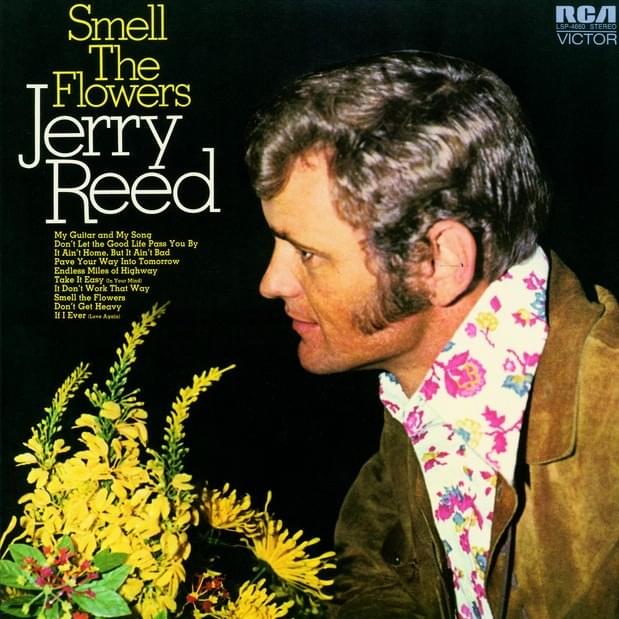
{"song_id": 14350986, "meaning": "Jerry Reed's \"Don't Get Heavy\" is a masterclass in lyrical boundary-setting, a honky-tonk dissertation on the art of casual connection. The song's central premise revolves around a narrator who prizes freedom above all else, warning a potential partner against the pitfalls of emotional entanglement. The repeated phrase, \"Don't you get heavy with your talkin',\" serves as both a plea and a firm declaration. It's not a rejection of intimacy, but rather a preemptive strike against the perceived suffocation of commitment. The anxiety of being tied down is palpable. Reed isn't just singing about a preference; he's articulating a deep-seated aversion to societal expectations of relationships.
The lyrics paint a vivid picture of a man allergic to routine. References to avoiding \"chains,\" \"wedding rings,\" and \"grocery shoppin'\" highlight a fear of domesticity, a terror of becoming just another cog in the machine of conventional life. This isn't mere bachelor bravado; it's a glimpse into a psyche that equates stability with stagnation. The promise of \"a good time\" and loving someone \"so fine\" is conditional, contingent upon the partner's willingness to accept the narrator's terms. The repeated warning that he \"ain't the kind that'll walk the line\" reinforces this idea: he's not interested in playing by the rules of traditional relationships.
At its core, \"Don't Get Heavy\" explores the tension between the desire for connection and the fear of losing oneself in the process. The song's meaning resides in its raw honesty about the narrator's limitations. He's offering companionship, but only on his own terms, which involve a significant degree of emotional detachment. Ultimately, the song isn't just a rejection of commitment, it's a study of a personality type that values autonomy above all else, even at the expense of deeper, more lasting bonds. The Jerry Reed classic exposes the vulnerability behind the swagger, hinting at the isolation that often accompanies such staunch independence."}
 View Artist