Song Meaning
The lyrics paint a stark picture of deep despair, a "troubled mind" that feels "little blue." Yet, even in this bleakness, a defiant flicker of hope emerges. The narrator anticipates a future where the "ol' sun's gonna shine" not just generally, but specifically on "Jerry Lee Lewis's back doorstep someday." This vivid, almost surreal image suggests a yearning for a brighter, perhaps more glamorous or simply *different* future, a stark contrast to the present "lonesome railroad line" where they're willing to "lay my head."
The central tension lies between the overwhelming present sorrow and a stubborn, almost irrational belief in eventual deliverance. The narrator acknowledges the grim reality of death, describing the graveyard as a "mighty lonesome place" where one is buried "shovellin' mud directly in your face." This visceral imagery underscores the gravity of their despair. However, this grim outlook is immediately countered by the repeated assertion, "Bet you I won't be blue always," revealing a core resilience that refuses to be extinguished by the darkness.
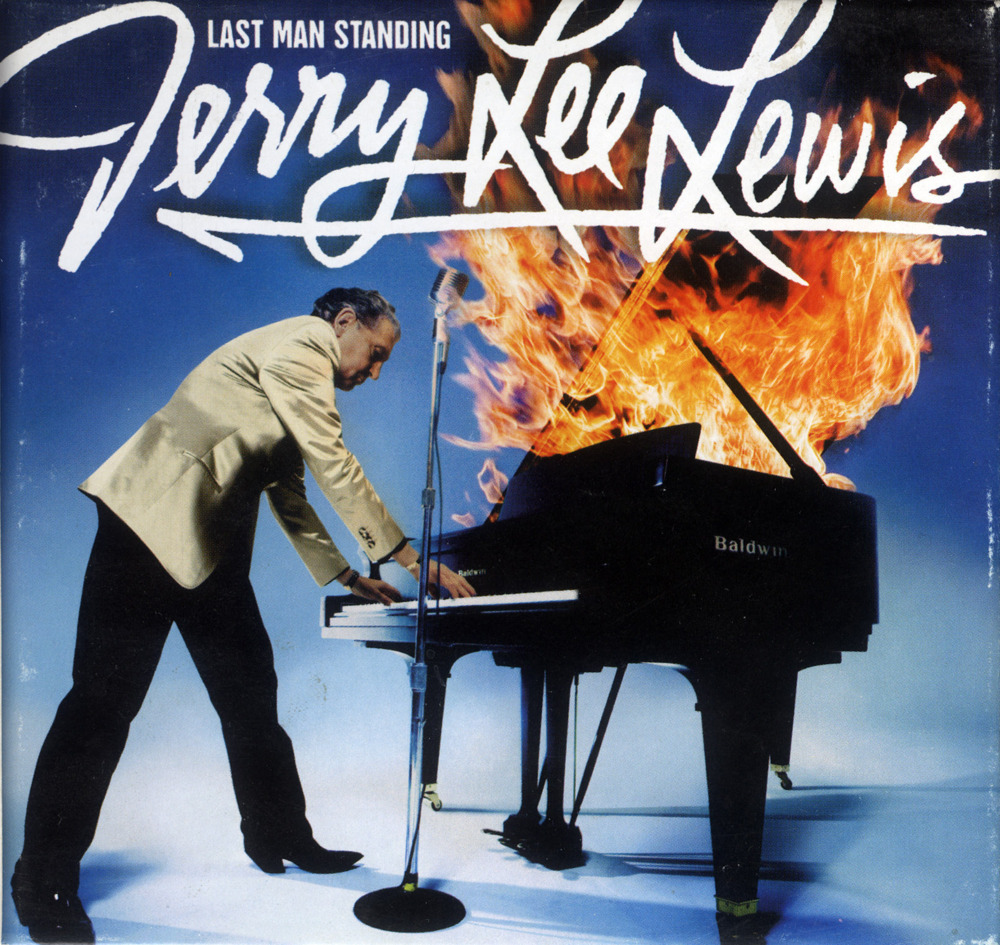
The most striking element is the recurring, specific invocation of Jerry Lee Lewis. It's not just a general wish for sunshine, but sunshine on the doorstep of a rock and roll icon. This particularity elevates the lyrics beyond a simple blues lament; it suggests a desire for a life of wild energy and perhaps even a touch of notoriety, a far cry from the "lowdown, lonesome, mother humpin' day" that seems inevitable. The contrast between the mundane, crushing reality and this specific, almost fantastical aspiration is what gives the song its unique, haunting power.
Ultimately, these lyrics resonate because they capture the human capacity to cling to hope even when faced with profound sadness and the certainty of mortality. The narrator's willingness to face death on a "lonesome railroad line" while still believing in a future sunbeam on Jerry Lee Lewis's porch is a testament to an enduring, if unconventional, spirit. The writing doesn't offer easy answers but rather presents a raw, honest portrayal of enduring hardship with a stubborn, almost defiant, belief in a better day, however unlikely it may seem.