Song Meaning
The narrator opens with a tender, almost ritualistic gesture, asking to remove a ribbon from their hair. This act immediately sets a tone of intimacy and vulnerability, as the falling ribbon is compared to soft skin and shadows. The core plea is stark: "All I'm taking is your time just help me make it through the night." It’s not about possession or a grand future, but a desperate need for present company to ward off an overwhelming solitude.
The central tension arises from the narrator's profound weariness with the passage of time and the weight of existence. They explicitly reject conventional morality and future planning, stating, "I don't care what's right or wrong I don't try to understand." This is a person seeking solace in the immediate moment, willing to let consequences slide if it means escaping the crushing weight of being alone. The repetition of "yesterday is dead and gone yes it is and tomorrow's out of sight" underscores a feeling of being adrift, with no anchor in the past or future.
The most striking craft element is the stark contrast between the gentle, almost poetic imagery of the opening and the raw, existential desperation of the chorus. The soft falling ribbon and shadows on the wall evoke a sense of quiet beauty, but this is immediately juxtaposed with the blunt, almost nihilistic surrender to the present: "Let the devil take tomorrow." This lyrical choice highlights how profound loneliness can strip away concern for anything beyond the immediate need for connection.
What makes these lyrics so effective is their unflinching honesty about the human need for companionship, even in its most transient form. The narrator isn't asking for love or commitment, but simply for a shared moment to survive the darkness. The simple, repeated phrase "help me make it through the night" acts as a mantra, a raw expression of vulnerability that resonates because it bypasses pretense and goes straight to a fundamental human fear: the fear of being utterly alone.
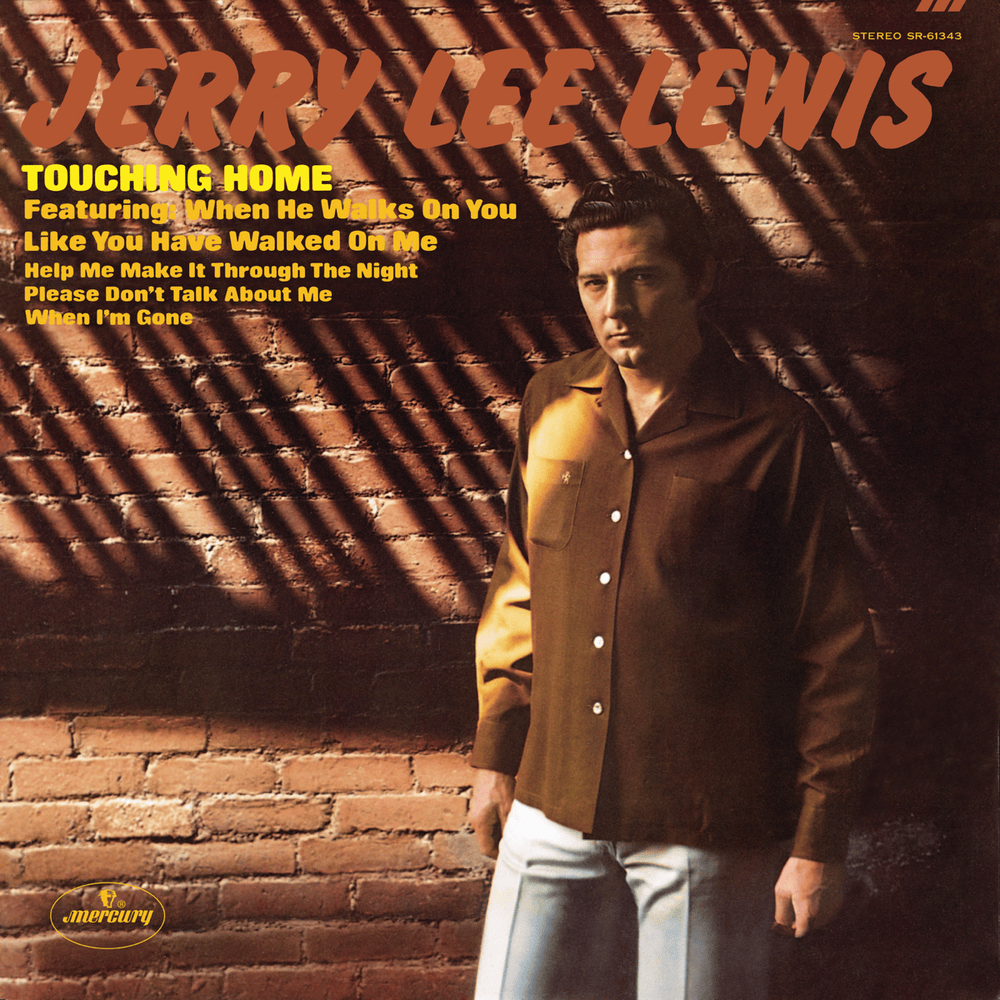
 View Artist