Song Meaning
The lyrics paint a picture of a narrator observing a former lover with a new partner, a situation that sparks a complex mix of resignation and defiant pride. The immediate scene is one of replacement: "There they go and there goes / My satisfaction on his face." The narrator sees their own past role now occupied by someone else, noting the new partner's "proud" demeanor as he "walk[s] in my place." This sets up a clear contrast between the narrator's foundational experience and the newcomer's present situation.
The central tension lies in the narrator's assertion of their unique, foundational role in the relationship, despite being replaced. They claim to have been "first, quenched the thirst / A thirst she now can't lose," suggesting a deep, formative experience that the new partner cannot replicate. The repeated phrase "He's walkin' in my tracks / But he can't fill my shoes" underscores this idea, implying that while the new man follows the same path, he lacks the specific, perhaps painful, history that defined the narrator's time with her. The lyrics suggest this history involved significant hardship, as the narrator states, "No man I know could ever / Go through the hell she put me through."
The most striking aspect of the craft is the persistent metaphor of "shoes" and "tracks," which grounds the abstract idea of a past relationship in tangible imagery. The narrator isn't just replaced; they've left an indelible imprint, a path worn by their own difficult journey. The inclusion of "Jerry Lee's already been" adds a layer of specific, almost boastful, historical claim, reinforcing the idea that the narrator's experience is singular and foundational. This isn't just about being replaced; it's about having endured a unique trial that the new partner, by definition, cannot have shared.
Ultimately, the effectiveness of these lyrics stems from their grounded, almost territorial, assertion of past experience. The narrator finds a strange power in having been the one to endure the relationship's formative, difficult stages. The repeated refrain isn't just a lament; it's a declaration that while the new man may occupy the present, the narrator's past is a unique, unfillable void. The writing taps into a primal sense of having pioneered a difficult path, one that grants a certain, albeit bitter, distinction.
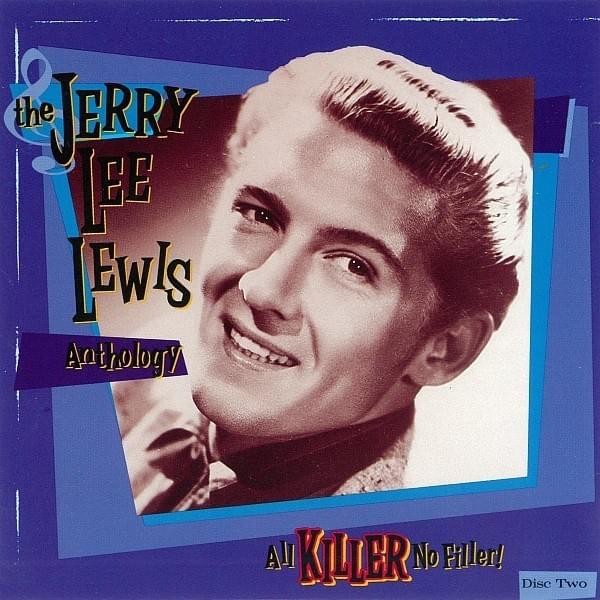
 View Artist