Song Meaning
The narrator is pleading for a moment of quiet contentment, a simple existence where their happiness is derived from observing a loved one's unburdened joy. The core desire is to simply "watch you smile" and "rest with you awhile," suggesting a profound appreciation for the other person's presence without the need for elaborate interaction or validation. This isn't about grand gestures, but about finding solace in shared, unspoken peace.
The central tension arises from the implied pressure to speak or perform within a relationship, a pressure the narrator actively rejects. They urge the other person to "be yourself" and avoid using "phrases that yesterday said / We were not so free," hinting at past experiences where words or expectations created distance. The narrator finds freedom not in eloquent declarations, but in the quiet authenticity of the moment, where silence itself is a form of connection.
What's striking is the lyrical emphasis on the power of non-verbal communication and shared stillness. The repeated plea, "Please let me be," frames the entire sentiment as a request for permission to exist in this tranquil state. The idea that "Your smile's enough" and that speaking might "tie us down" highlights a deliberate choice to prioritize a deeper, more intuitive bond over conventional expressions of affection or commitment. This focus on quietude elevates the simple act of being together into something precious and profound.
Ultimately, the effectiveness of these lyrics lies in their gentle insistence on a specific kind of relational peace. The narrator isn't asking for a dramatic change, but for the preservation of a delicate, present moment. The repetition of "let me be" and the final, drawn-out "last and last and last" underscores the fragility and deep longing for this unadorned connection to endure, making the simple desire for quiet companionship resonate powerfully.
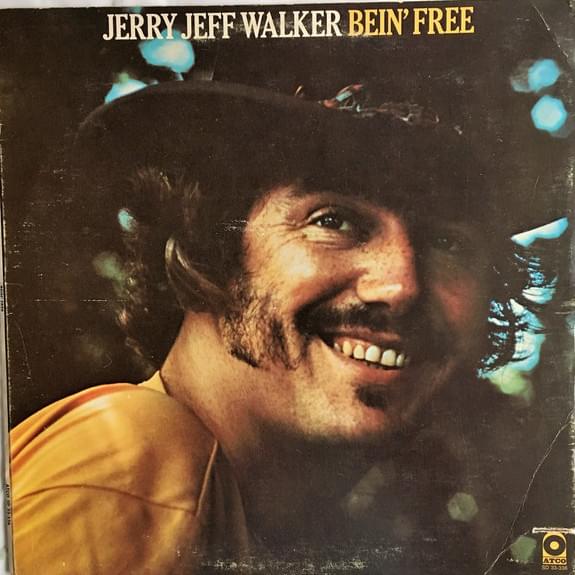
 View Artist