Song Meaning
The lyrics paint a picture of someone caught in a cycle of unattainable desires and the painful realities of life. There's a constant reaching for grand, abstract goals like the sun, moon, and stars, only to find them "too heavy" or to "smack into the sky." This futility is underscored by a paralyzing fear of death, leaving the narrator stuck in a state of wanting to avoid living but being "chicken to die." This sets up a core tension between ambition and inaction, a desperate yearning for something more coupled with an inability to truly grasp it or commit to the risks involved.
The central conflict seems to revolve around the pursuit of reward without the willingness to endure the process. The repeated refrain, "Run for the roses / Sooner it opens, the quicker it closes," captures this ephemeral nature of success or satisfaction. It suggests that the very act of achieving something desirable leads to its swift decline, making the pursuit itself a bittersweet endeavor. This is further illustrated in the verse about love, where the narrator "just want[s] the cup, you don't want the race," highlighting a desire for the outcome without the commitment to the journey or potential pain, like getting "caught on the briar."
The most striking craft element is the recurring motif of "roses," which, despite its association with beauty and reward, is immediately qualified by its fleeting existence. The lyrics cleverly juxtapose grand aspirations with mundane struggles, like "Big ideas but the money's all spent." The phrase "all at sea" in the final verse encapsulates the feeling of being adrift and uncertain, despite the seemingly optimistic chorus of "All good things in all good time." This creates a poignant irony, as the comforting platitude rings hollow against the backdrop of existential unease and financial strain.
Ultimately, these lyrics resonate because they articulate a universal feeling of striving for fulfillment while being acutely aware of life's inherent difficulties and the transient nature of happiness. The writing effectively uses vivid, if slightly surreal, imagery to convey a sense of frustrated ambition and a deep-seated fear of commitment, making the listener feel the weight of these unresolved internal battles. The contrast between the hopeful chorus and the anxious verses creates a powerful emotional pull, capturing the complex, often contradictory, human experience of wanting more while fearing the cost.
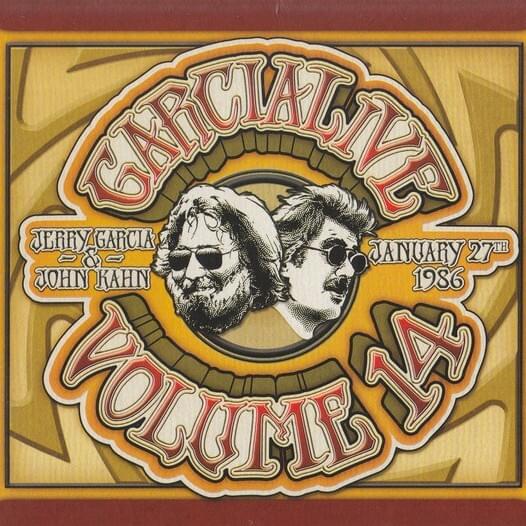
 View Artist