Song Meaning
Jeri Southern's "Let's Fly Away" isn't merely an invitation to a tropical vacation; it's a strategic retreat from the anxieties of modern life. The insistent repetition of "Let's fly away" functions as both a seductive whisper and a desperate plea. But what exactly are we fleeing? Southern paints a vivid picture of constraints: the nagging anxieties of prohibition-era moralizing and the invasive scrutiny of celebrity gossip, embodied by the reference to Walter Winchell, a powerful and often ruthless journalist of the time. The lyrics suggest a desire to escape not just a place, but a state of mind defined by judgment and societal pressure. This speaks to a fundamental human impulse: the search for autonomy and a space free from external validation.
Beneath the surface of escapism lies a more complex dynamic. The promise to "make your life sublime" and "compromising you" hints at a deliberate disruption of the listener's existing reality. This isn't just about relaxation; it's about transformation, perhaps even a touch of mischievous subversion. The singer isn't offering a passive escape but an active re-shaping of identity, one that involves relinquishing control and embracing a new, potentially scandalous, existence. This element of risk and transgression adds depth to the song's allure. It's an invitation to not only leave behind the mundane but also to explore the uncharted territories of self.
Ultimately, "Let's Fly Away" proposes a powerful alternative to the perceived artificiality of urban life ("New York is not for us"). By positioning "Mother Nature" as a "messiah," Southern elevates the natural world to a position of spiritual authority. This suggests a longing for authenticity and a belief that true freedom can only be found by surrendering to the primal rhythms of nature. The song's repeated call to action, combined with its subtle undercurrents of rebellion and self-discovery, makes it more than just a travelogue; it's a timeless anthem for those seeking liberation from the constraints of conventional society.
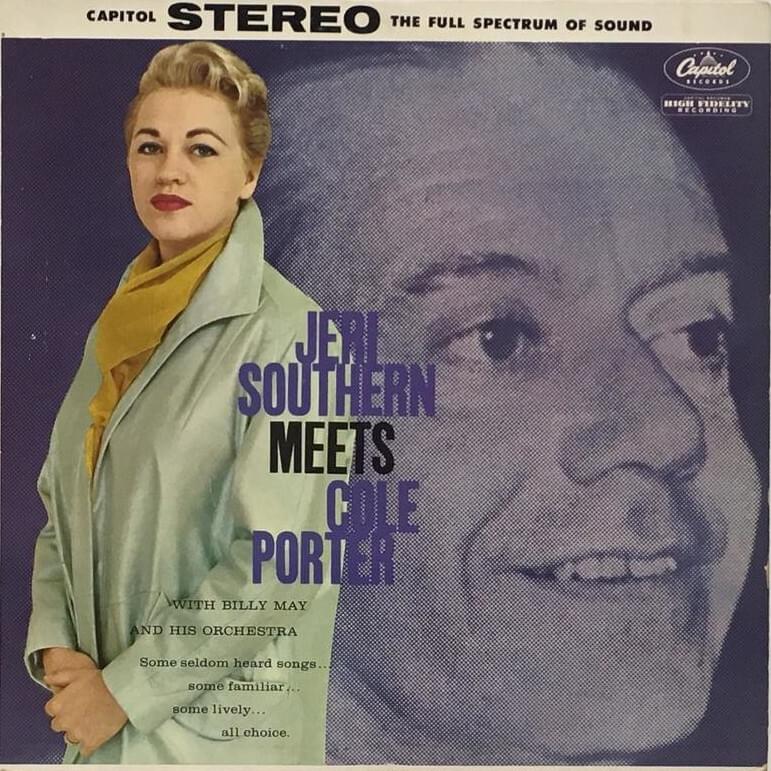
 View Artist