Song Meaning
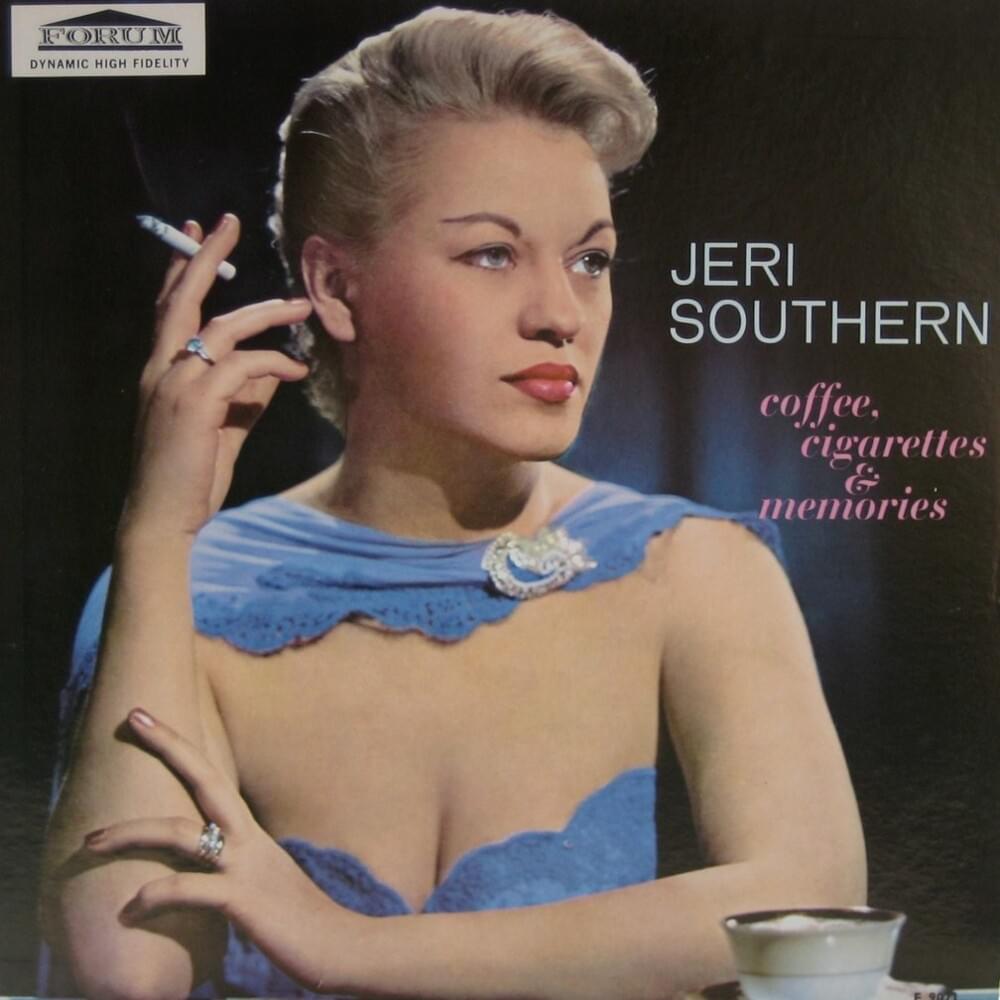
Jeri Southern’s "Coffee, Cigarettes and Memories" isn't just a song; it's a portrait of quiet desperation, a masterclass in conveying loneliness through the mundane. The song meaning resides not in grand pronouncements but in the subtle accumulation of small, repetitive actions. It's the aural equivalent of a Hopper painting: stark, isolated, and deeply evocative. Southern uses the cyclical nature of coffee consumption and cigarette smoking as a metronome, marking time in the absence of a loved one. Each verse ratchets up the count, highlighting the increasing dependence and the stagnant nature of the narrator's existence. It's a loop of longing.
The lyrics analysis reveals a woman trapped in a self-made prison of habit and hope. The repeated invocation of "memories, haunting memories" underscores the psychological weight of the past, a past presumably shared with the absent "you." These memories aren't a comfort; they're a torment, a constant reminder of what's been lost or, perhaps more accurately, what's been temporarily taken away. The simple act of "watching the door, pacing the floor" speaks volumes about the anxiety and anticipation that consume her. The subtle shift from "hoping that maybe you'll call" to "I'll pretend I haven't missed you at all" is a heartbreaking admission of vulnerability masked by a fragile pride.
Ultimately, "Coffee, Cigarettes and Memories" functions as a miniature study of codependency and the rituals we construct to cope with abandonment. The narrator isn't actively seeking solace; she's passively enduring, numbing herself with caffeine and nicotine while clinging to the faint possibility of reunion. The song’s genius lies in its understatement. Southern doesn't need to spell out the details of the relationship; the listener understands the depth of the connection through the sheer, repetitive agony of waiting. The final repetition of “Coffee and cigarettes, and memories, memories, till you come back to me" solidifies the tragic loop, a poignant and enduring testament to the power of absence.
 View Artist