Song Meaning
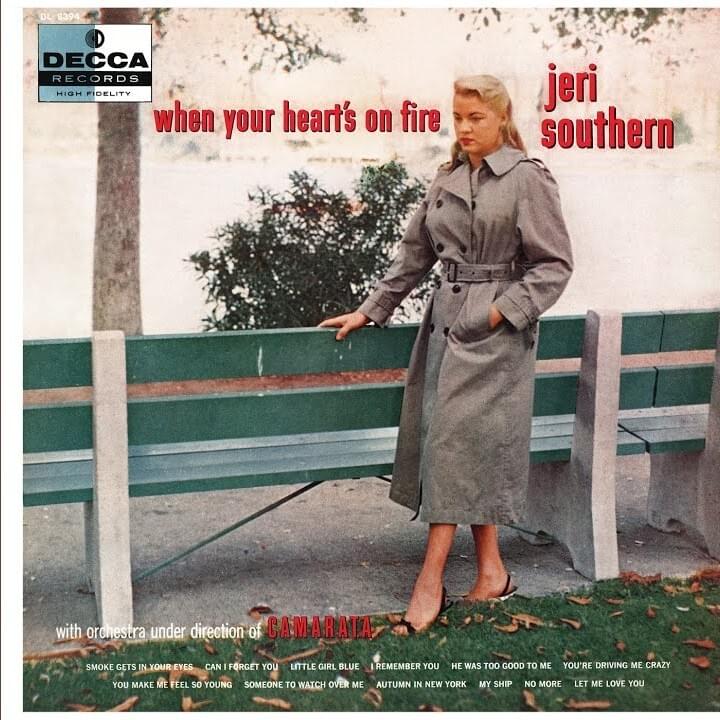
Jeri Southern's "Can I Forget You" isn't merely a question; it's a desperate plea echoing through the chambers of a haunted heart. The song meaning resides in that agonizing space between wanting to move on and being utterly unable to escape the magnetic pull of a lost love. Southern's phrasing is deceptively simple, almost childlike in its directness, yet it encapsulates the sophisticated torment of romantic obsession. The repetition of "Can I forget you / Or will my heart remind me" acts as a psychological tic, a circular thought pattern indicative of someone trapped in a loop of longing. It's the internal debate between conscious will and the stubborn, irrational persistence of emotional memory. The moonlight imagery isn't just romantic; it's indicative of a dreamlike state, suggesting that the relationship itself may have been idealized, further complicating the process of letting go.
The heart, personified as a relentless reminder, becomes the antagonist in Southern's narrative. It's a force beyond the singer's control, stubbornly clinging to the "moonlight dream" and the sweetness it once held. The question shifts from a desire for forgetfulness to a fear of the heart's unwavering loyalty to the past. This fear is amplified by the realization that every night, every return of the moon, serves as a fresh torment, a renewed awareness of what's been lost. The line, "How much I want you back again," isn't just a statement of longing; it's an admission of powerlessness. The desire isn't a choice; it's a reflex, triggered by the cyclical nature of time and the inescapable presence of memory.
The instrumental break offers a moment of wordless reflection, perhaps mirroring the internal struggle as the singer grapples with the impossibility of her request. The absence of lyrics in this section speaks volumes, suggesting a depth of emotion that words can't fully capture. Ultimately, "Can I Forget You" isn't about the possibility of erasure, but about the acceptance of enduring emotional scars. It's a song for anyone who has ever understood that forgetting isn't always a choice, and that the heart often has a memory of its own, independent of our will.
 View Artist