Song Meaning
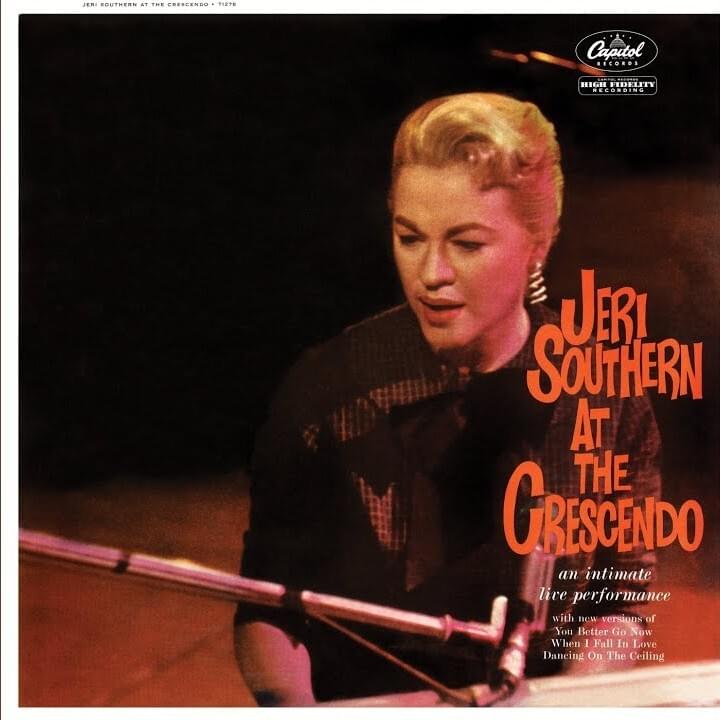
Jeri Southern's rendition of "Blame It On My Youth" resonates with the particular sting of early heartbreak, that uniquely formative pain where naiveté meets harsh reality. The song’s core isn't just about lost love; it's a post-mortem examination of innocence, a rueful acknowledgement of youthful idealism crushed under the weight of experience. The narrator isn't seeking absolution, but rather assigning responsibility for her own vulnerability. She understands, with the clarity of hindsight, that her age was both the catalyst and the context for her emotional devastation.
The recurring phrase, "Blame it on my youth," acts as a shield, deflecting blame from other potential culprits – the stars, a disarming smile, or even her own infatuation. It's an acceptance that her youth made her susceptible, a raw confession that she "believed in everything / Like a child of three." The lyrics portray a relationship dynamic where the narrator was utterly devoted (“If only just for you I did exist”), only to be discarded when her novelty wore off (“You were my adored one / Then you became the bored one”). This isn't a song of anger, but of poignant understanding, a quiet lament for a time when belief came easily and heartbreak felt like the end of the world.
Ultimately, “Blame It On My Youth” transcends the specifics of a failed romance. It taps into a universal experience: the painful but necessary transition from youthful idealism to a more guarded, pragmatic worldview. The song suggests that while youth may be a convenient scapegoat for our emotional missteps, it's also a crucible, forging resilience from the ashes of disappointment. It's a bittersweet acknowledgement that growing up often means losing a part of ourselves, but gaining something invaluable in return: the wisdom to navigate the complexities of love and life with a more discerning eye. Jeri Southern's delivery adds layers of nuance, transforming what could be a simple lament into a profound meditation on the nature of time and experience.
 View Artist