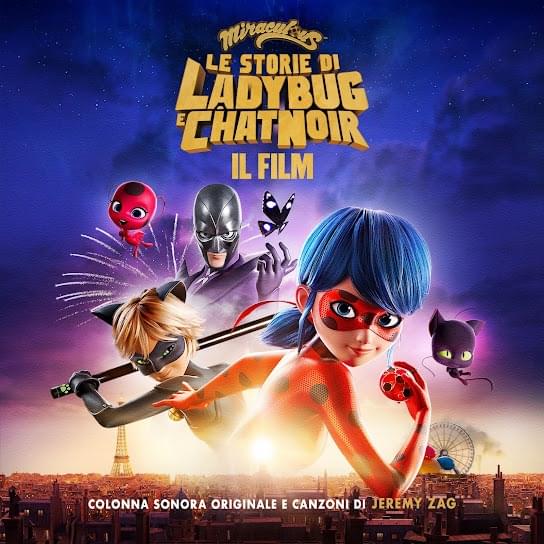
Song Meaning
The narrator finds herself adrift in Paris, a city once envisioned as home, now a source of confusion and disillusionment. The initial hope for success has soured, leading to a pragmatic, almost fearful, decision to abandon grand aspirations. The line "La fantasia è un pericolo" reveals a deep-seated fear that imagination itself is a trap, a fleeting dream that inevitably leads to disappointment, prompting a decisive closing of that door.
The core tension lies in the struggle between the desire for self-improvement and the crushing weight of past failures. The repeated phrase "Sì, ho tentato / D'esser migliore di così" underscores a persistent effort that feels futile. This effort is directly linked to self-deception: "Ma se ho sbagliato a illudermi." The narrator grapples with the painful realization that her own hopeful illusions might be the very thing holding her back, leading to a desperate wish to halt the cycle "ora e qui."
The most striking aspect is the internal conflict presented in the second chorus: "Voglio andar via, devo restare." This encapsulates the paralyzing paradox of her situation. She longs to escape the current reality and the pain of her failed ambitions, yet feels an obligation or an inability to leave. This push and pull, the desire for departure clashing with the necessity of staying, highlights a profound sense of being stuck, unable to move forward or backward.
Ultimately, the lyrics resonate because they articulate the universal feeling of striving for something more, only to be met with the harsh reality of one's own limitations or the unforgiving nature of ambition. The simple, repeated admission "Forse ho sbagliato a illudermi" carries immense emotional weight, suggesting that the greatest obstacle wasn't external circumstances, but the internal act of hoping against overwhelming odds.