Song Meaning
The lyrics paint a cynical picture of manufactured rebellion, where 'punk by numbers' suggests a formulaic, commercialized version of an anti-establishment ethos. The opening lines immediately establish a transactional, unoriginal vibe, hinting that even this supposed counter-culture comes with a price and relies on superficial appeal. It's a critique of authenticity being commodified, where the 'cheap scenery' is all that's offered.
The central tension lies between the artist's supposed authenticity and the demands of the 'manager' and the 'crowd.' The manager dictates the performance, telling the artist to give the audience 'what they want,' even if that means sacrificing their 'life.' This creates a disturbing dynamic where the artist is positioned as a spectacle to be consumed, their very being a product for public consumption. The crowd's fervent declaration, 'I believe in you / I believe in what you do!' becomes less an endorsement of genuine artistry and more a demand for the predictable performance they've been conditioned to expect.
The most striking craft element is the repeated phrase 'punk by numbers,' which acts as a damning indictment of conformity masquerading as rebellion. It implies a pre-packaged, easily digestible version of punk that lacks genuine danger or dissent. The manager's lines, particularly 'we know just what you like!' and the ominous question about who will be 'the last one laughing,' highlight the manipulative forces at play. The lyrics suggest that the artist is trapped, their actions dictated by external forces, with the crowd's belief serving as both validation and a cage.
Ultimately, these lyrics resonate because they expose the uncomfortable reality of how counter-cultural movements can be co-opted and diluted for mass appeal. The effectiveness comes from the stark contrast between the aggressive, rebellious label 'punk' and the sterile, calculated execution described. The repeated chorus and the dialogue structure emphasize the cyclical, inescapable nature of this manufactured scene, leaving the listener with a sense of unease about authenticity in the face of commercial pressures.
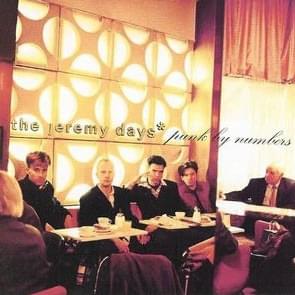
 View Artist