Song Meaning
The narrator grapples with a stark disconnect between idealized media and messy reality. They admit, "I can't make real life as good as television," immediately signaling a struggle to achieve a polished, curated existence. This feeling of being stuck, unable to commit or find a comfortable place, is underscored by the image of "one shoe on and one shoe off" and an inability to "pick a position." The desire to control and sanitize experience is palpable.
This impulse to control manifests in the VCR metaphor. The narrator "cut[s] out the bad parts," rewinding and fast-forwarding to create a perfect narrative, a stark contrast to the unedited pain of genuine emotion. They explicitly state, "I don't want to watch anything that hurts," revealing a deep-seated avoidance of vulnerability and difficult truths, both in media and, by extension, in relationships.
The lyrics then pivot to the fragility of "real love" built from "paper cups and plastic," suggesting a superficial foundation. The narrator's inability to articulate deeper feelings leads to a transactional exchange: "I left you the facts and that's it." This leaves the other person with a cold understanding, "what's in me," and the capacity to become hardened, to "go from girl to steel." The repeated VCR imagery reinforces the idea that the narrator is trying to edit out the painful aspects of connection, leaving only a sterile, factual account.
Ultimately, the effectiveness of these lyrics lies in their raw portrayal of emotional immaturity and the painful consequences of emotional avoidance. The contrast between the desire for a perfect, edited life and the harsh reality of unfixable relationships creates a poignant sense of regret. The narrator's confession, delivered with a detached, almost clinical tone, highlights the tragic irony of wanting connection while simultaneously building walls and cutting out the very parts that make love real.
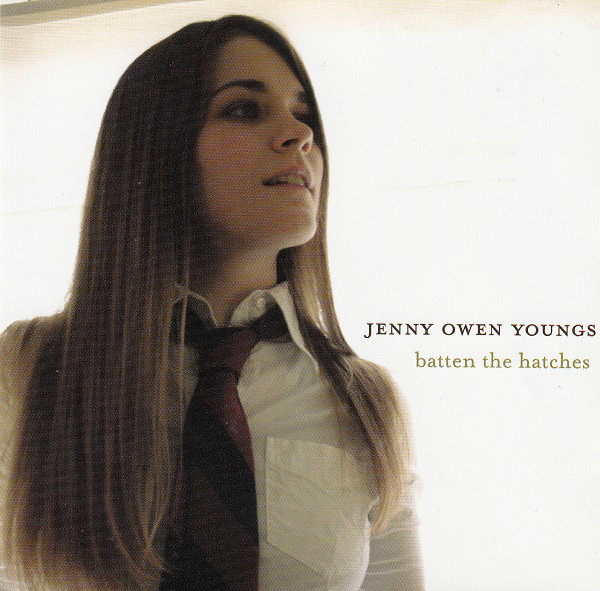
 View Artist