Song Meaning
Jennifer Love Hewitt's "In Another Life" isn't just a ballad; it's a poignant exploration of longing and the cruel limitations of fate. The song meaning centers on the wistful contemplation of alternate realities where a forbidden or impossible love could flourish. The opening lines, "If my loving you could change the river's flow, I would not let you drift away from me," immediately establishes a sense of helplessness against a force greater than the singer's will. The 'river' serves as a powerful metaphor for destiny, an unyielding current separating the lovers. This imagery is not just romantic; it speaks to the deeply human desire to control our circumstances, especially when it comes to matters of the heart. The singer feels powerless to stop the inevitable drifting apart.
The chorus, a recurring mantra of "In another life, in another place," delves into the core fantasy: a world unbound by the obstacles preventing the relationship in the present. These lines aren't simply about romantic idealism. They also touch on a fundamental psychological mechanism: the human need to imagine better outcomes, to cope with present suffering by envisioning alternative possibilities. The repetition of "You'd be mine" underscores the possessive yearning, a desire not just for connection, but for complete and uninhibited ownership of the loved one's affection. This longing is further amplified by the acknowledgement of the present's torment: "If I touch you now, I'd only lose my mind / Ooh, what a cruel, wicked thing, living one life at a time." The singer understands that any physical or emotional connection in the present will only exacerbate the pain of separation.
The bridge, "I don't know where or when, but we'll pass this way again," offers a sliver of hope, suggesting a belief in reincarnation or some form of cosmic re-encounter. However, even this hope is tinged with uncertainty, a recognition that even in future lives, the same obstacles might arise. Ultimately, "In Another Life" resonates because it captures the universal experience of unfulfilled desire and the human tendency to seek solace in the realm of 'what ifs.' The lyrics analysis reveals a complex interplay between acceptance and yearning, resignation and hope, making the song a bittersweet anthem for anyone who has ever dreamt of a love that could never be.
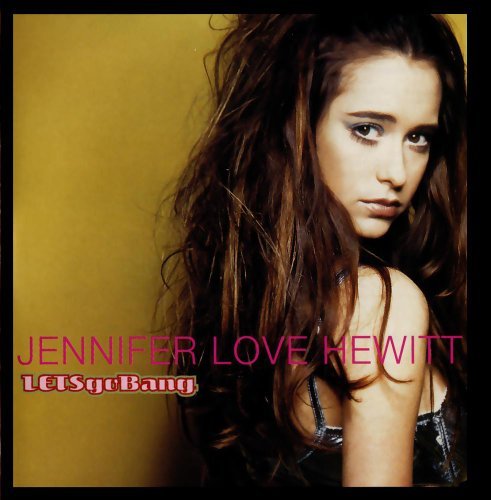
 View Artist