Song Meaning
Jennifer Knapp's "If It Made A Difference" isn't your typical apology track; it's a masterclass in passive aggression disguised as regret. The opening lines, dripping with sarcasm – "Sorry, I told you I was wrong / Sorry, I don't care" – immediately set the stage for a relationship on the rocks, hinting at a profound disconnect between the speaker and the recipient. The core of the song meaning revolves around the futility of effort, the exhaustion of constantly trying to bridge an uncrossable gap. There's a palpable sense of resentment simmering beneath the surface, a feeling that the speaker's attempts at reconciliation or understanding have been consistently met with indifference or, worse, entitlement. It's the kind of weariness that comes from repeatedly extending an olive branch only to have it snapped in two.
The repeated refrain, "If it made a difference," acts as both a lament and a challenge. It underscores the speaker's disillusionment, the realization that their actions, however well-intentioned, ultimately hold no weight in the dynamic. The lines "Walk an extra mile just for your pride" and "I am the only one who ever tried" highlight a stark imbalance of effort, suggesting that the relationship is propped up solely by the speaker's willingness to compromise and sacrifice. But even that wellspring of goodwill has run dry, leading to the cutting admission: "Sorry I ever gave a damn / Sorry I even tried." This isn't just about acknowledging mistakes; it's about reclaiming agency, about refusing to pour energy into a void.
Ultimately, "If It Made A Difference" is a song about boundaries and self-preservation. It's about recognizing when a relationship has become a drain, when the scales are so tilted that any further investment is a waste. The final lines, "I am the only one who ever tried / To leave you behind," are perhaps the most telling. They signify a decisive shift in perspective, a move away from placating the other person and toward prioritizing one's own well-being. It's a bittersweet farewell, tinged with both regret and a quiet sense of liberation. The song resonates because it captures the universal experience of investing in relationships that simply aren't reciprocal, and the difficult but necessary decision to finally walk away.
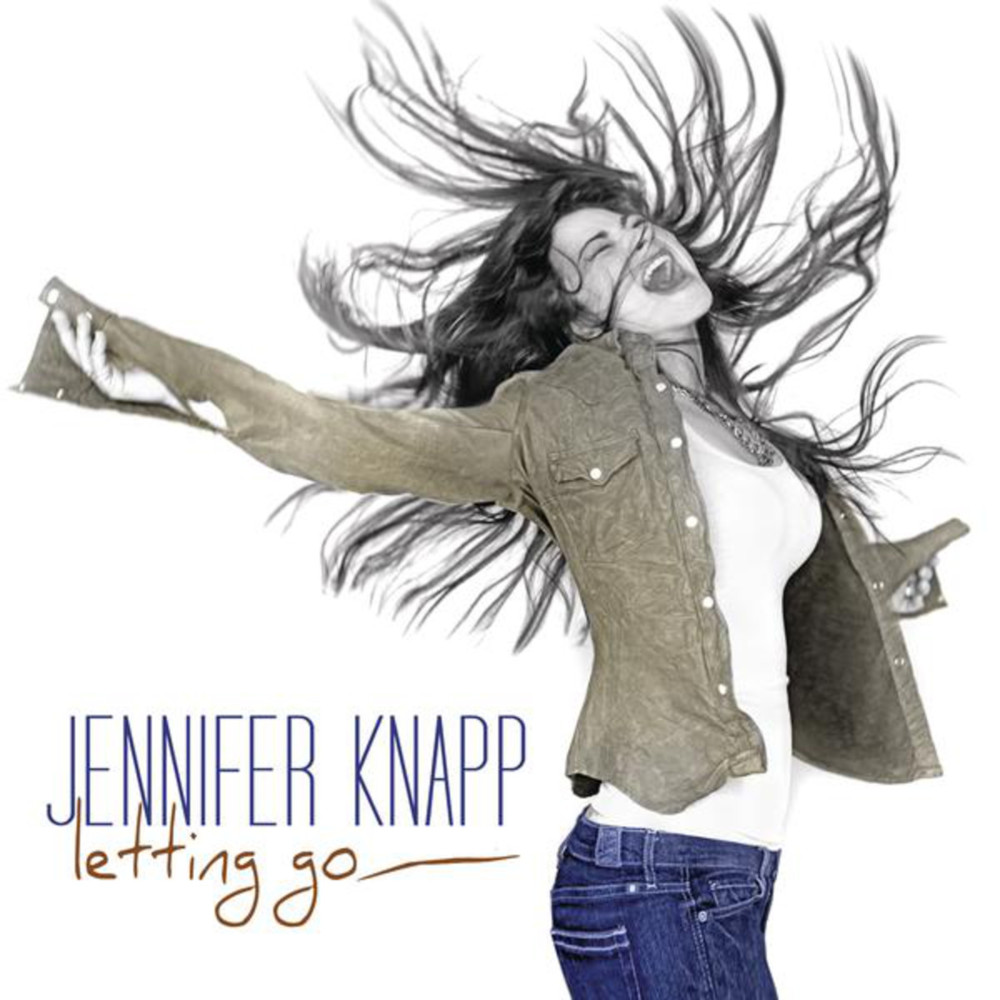
 View Artist