Song Meaning
Jenni Vartiainen's "Tyttövuodet" isn't just a song; it's a crystallized yearning for authentic connection after navigating a landscape of superficial encounters. The opening lines, confessing to a million failed searches for 'lempee' (love), immediately ground the listener in a feeling of weary disillusionment. It's a sentiment those in their late twenties and thirties know intimately: the feeling that the endless parade of faces and fleeting connections starts to blur, leaving one craving something real. The repeated encounters with 'larppaajaa' (larpers or role-players) highlights a frustration with inauthenticity, a desire for someone genuine to share life's journey. The almost desperate plea, 'Et tiedä kuinka paljon sinunlaista vierelle kaipaan' (You don't know how much I long for someone like you beside me), underscores the depth of this longing.
"Tyttövuodet" touches on the bittersweet passage of time. The lyrics hint at societal pressures and expectations, specifically around marriage, with the line about always crying at weddings. This isn't just happiness, but perhaps a touch of envy or anticipation. The feeling that 'it would never be her turn' speaks to a deeper anxiety about finding one's place and belonging, a theme resonating with many who feel like they're running behind in the race to traditional milestones. However, there's a turning point, a quiet realization that 'this will last,' suggesting a newfound sense of self-assurance and acceptance of her own path.
The repeated chorus serves as a powerful anchor, a direct expression of the desire to escape the 'turhat tuttavuudet' (useless acquaintances). The post-chorus, with its plea 'Hei beibi voitatko / Vapauden parhaat puolet / Mun tyttövuodet' (Hey baby, can you win / The best parts of freedom / My girlhood years), is particularly complex. It suggests a willingness to relinquish a certain kind of freedom – the freedom of endless possibility – for the deeper freedom that comes with genuine connection and shared experience. The 'tyttövuodet' (girlhood years) aren't just a period of time; they represent a state of being, a carefree innocence that the singer hopes to carry into a mature relationship. The song meaning then becomes a poignant question: Can love enhance, not diminish, the best parts of oneself?
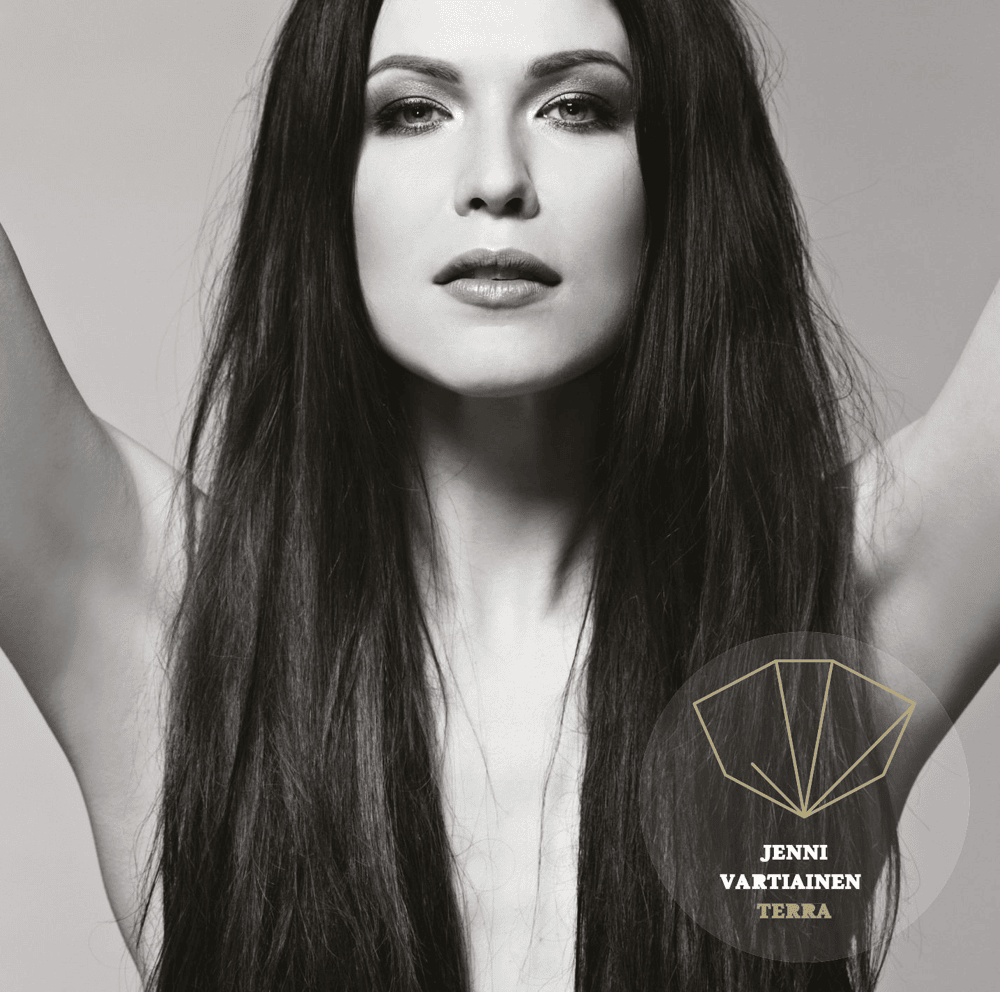
 View Artist