Song Meaning
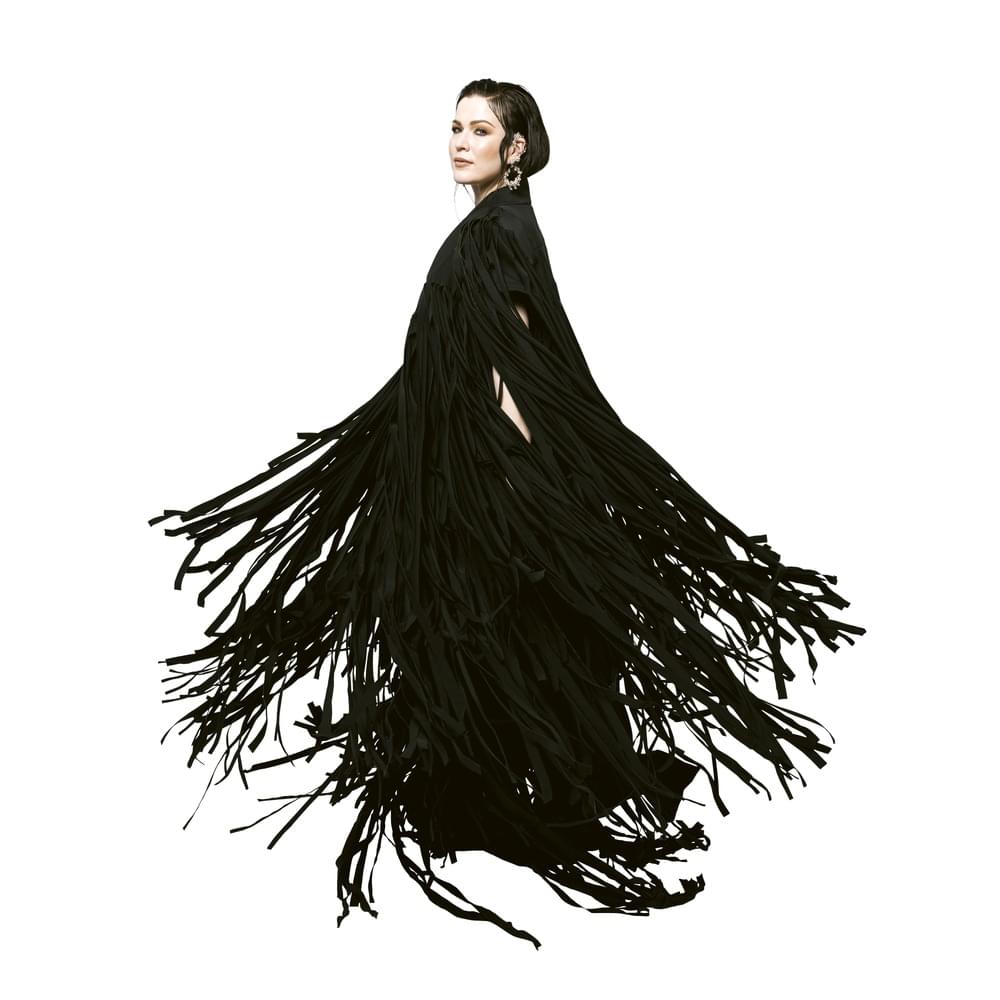
Finnish pop artist Jenni Vartiainen's "Origo" isn't just a song; it's an existential question mark wrapped in melancholic melodies. The track circles around the search for 'origo' – a starting point, a true home – against a backdrop of shattered expectations and recurring departures. It's a potent exploration of the push-and-pull between the desire for belonging and the nagging fear of being left behind. Vartiainen doesn't offer easy answers; instead, she lays bare the emotional turbulence of a soul in transit. The opening verses paint a picture of a place that initially seemed idyllic, a 'beautiful land from afar,' only to morph into a prison. This disillusionment sets the stage for the central theme: the painful auctioning off of past connections and the realization that what was once considered 'home' never truly offered solace. Musically, I hear a kinship with artists like Robyn, who also blends pop sensibilities with deep introspection.
The chorus of "Origo" serves as both a lament and a plea. Vartiainen acknowledges her familiarity with heartbreak and packing her bags, suggesting a pattern of leaving things unfinished. Yet, beneath the resignation, there's a yearning for a place that transcends the cycle of goodbyes. The repetition of 'Ei enää hyvästejä ois' (No more goodbyes) underscores the deep-seated desire for permanence and an end to the emotional toll of constant farewells. It's a sentiment that resonates universally, tapping into the primal human need for a safe haven.
The bridge delves into the psychological undercurrents driving this nomadic existence. A 'familiar voice' in the singer's head urges her to flee, driven by fear of pain and abandonment. This internal saboteur suggests a pre-emptive strike against potential heartbreak, highlighting a defense mechanism rooted in past experiences. The song's outro, with its poignant question – 'How far do you have to go to see where home is? What all has to end to find the starting point, the origo?' – leaves the listener contemplating the elusive nature of 'home' and the sacrifices one might make in its pursuit. Is 'origo' a physical place, a state of mind, or an unattainable ideal? "Origo" doesn't tell us; it simply invites us to consider the question, making it a compelling piece of introspective pop.
 View Artist