Song Meaning
The lyrics paint a picture of a performer, "Ja," caught in a high-pressure, public spectacle. "Hiljadu ljudi / U moje grudi / Večeras gleda" immediately establishes a sense of intense scrutiny, a thousand eyes focused on the narrator. Despite this overwhelming attention, the narrator declares, "A ja još igram," highlighting a defiant continuation of their act.
The core tension lies in the performance being a personal sacrifice for a specific, unreciprocated gaze. The chorus reveals the motivation: "Sa-mo za, za tvoje oči." This act of dancing and falling is explicitly for one person, "ti," who is simultaneously surrounded by "žena trista." The narrator is performing under extreme conditions, "Mokra do kože / I svi se lože / Trista stepeni," yet their focus remains singular, a desperate plea or declaration directed at this one individual.
The most striking element is the juxtaposition of the narrator's intense, almost masochistic dedication with the object of their affection's apparent indifference or cruelty. The repeated phrase "Moj sadista" directly labels the person for whom the narrator is performing, suggesting a relationship dynamic where the narrator is willingly submitting to emotional pain for this individual's attention. The repeated "Mirna!" acts as a command or a plea for calm amidst the chaos, perhaps directed at the narrator themselves or the overwhelming crowd.
This creates a powerful emotional resonance by showcasing a raw vulnerability within a public, almost aggressive performance. The lyrics effectively convey the feeling of being exposed and performing a deeply personal act under the most impersonal and demanding circumstances. The narrator's continued performance, "A ja još igram," despite the implied emotional cost and the other person's detachment, speaks to a profound, perhaps self-destructive, devotion that makes the song hit so hard.
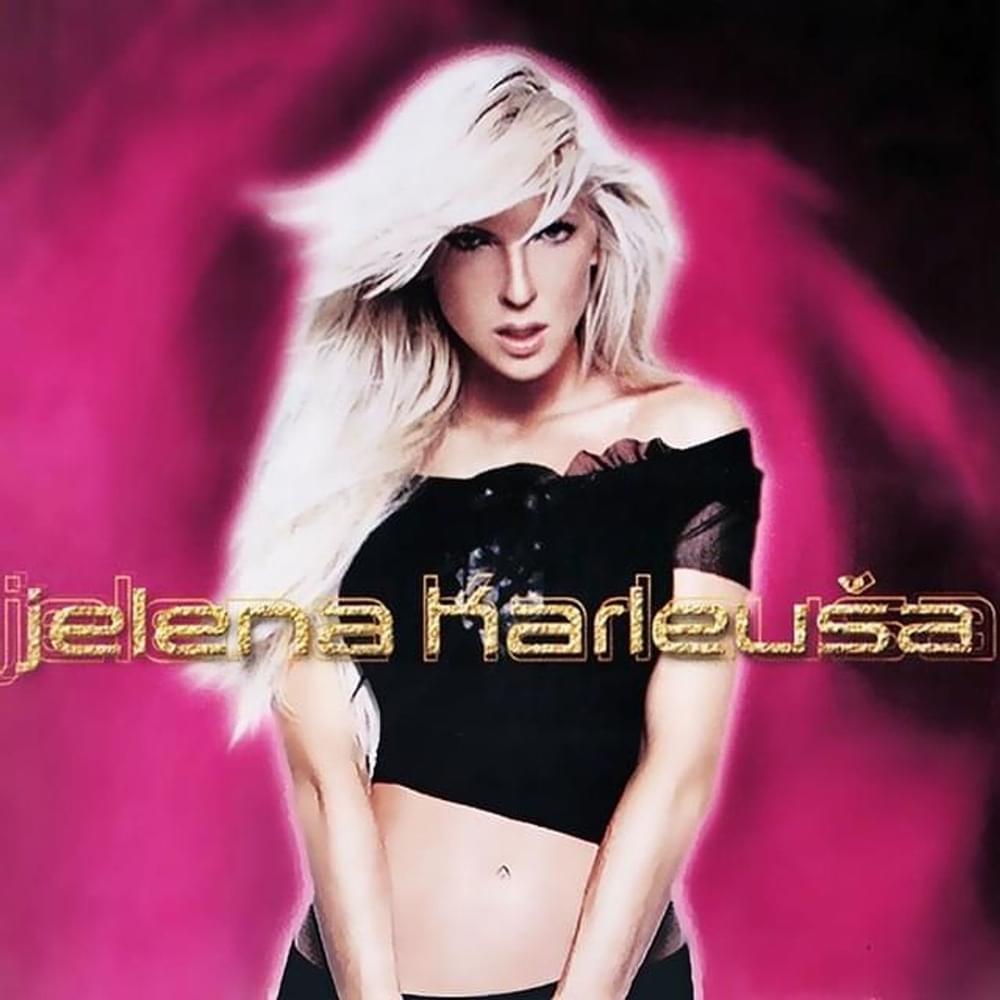
 View Artist