Song Meaning
Jeffrey Osborne's "A Time for Love" isn't just a song; it's a carefully constructed emotional ecosystem. The lyrics, simple on their face, function as a gentle, almost childlike invocation of love's pervasive influence. Osborne isn't singing about a specific romantic encounter; he's painting a broader canvas where love permeates the everyday, coloring mundane moments with extraordinary hues. The references to "summer skies," "hummingbirds," and "daffodils" aren't mere pastoral imagery; they're triggers, designed to unlock a sense of innocent wonder and receptivity in the listener. It's a sophisticated deployment of nostalgia, weaponized for emotional impact. The song’s genius lies in its ability to bypass cynicism and tap directly into our yearning for uncomplicated affection.
The repeated phrase "A time for..." acts as a rhythmic mantra, reinforcing the idea that love isn't confined to a particular season or circumstance. It’s a constant, a foundational element of existence. Even the acknowledgment of time's passage – "As time goes drifting by / The willow bends and so do I" – doesn't introduce a sense of melancholy, but rather a gentle acceptance of change within the context of enduring love. The bending willow becomes a metaphor for resilience, suggesting that even as we age and adapt, the capacity for love remains.
Osborne subtly acknowledges the role of fantasy and imagination in sustaining love. The "time of make believe that we've been dreaming of" isn't presented as escapism, but as a necessary ingredient. Love, in this interpretation, requires a certain amount of hopeful projection, a willingness to see the world through a romanticized lens. In a world saturated with hyper-realistic portrayals of relationships, “A Time for Love” offers a refreshing counterpoint: a reminder that love, at its core, is an act of optimistic creation. The "rainbow coloured weather" is not just a pretty image; it's a symbol of the transformative power of love to turn the ordinary into something extraordinary.
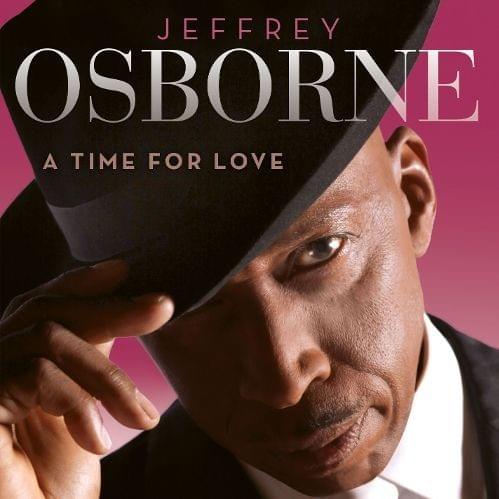
 View Artist