Song Meaning
The lyrics paint a stark picture of a person caught in a cycle of anticipation and disillusionment, perhaps waiting for external validation. The opening lines, "Either go away or go all the way in," set a tone of ultimatum, demanding full commitment or complete withdrawal. This is immediately followed by a sense of being observed, "Look at what you hold," and a strange invitation to "Come back down on a spear of silence." The narrator seems to be urging someone, Frederick, to confront a difficult truth or a moment of quiet introspection, even as it feels absurdly challenging.
The central tension lies in the repeated questioning of Frederick's belief in permanence, specifically regarding "loving eyes" and the idea of eternal affection. The chorus contrasts the comfort of "Sheets and a pillow" with the harsh reality of time passing and the inevitable loss of that idealized gaze. The lyrics suggest a deep-seated hope that is ultimately unsustainable, posing the question: "How old will you have to be before you stop your believing?"
A striking shift occurs in the second verse, moving from passive observation to a more visceral, almost nightmarish imagery. Frederick is depicted with "mouth wide open, animals nipping at your sides," a powerful visual of being attacked or consumed by something while in a state of helplessness. The introduction of "wire wheels" and the "four stroke man" suggests a relentless, mechanical force, a stark contrast to the earlier, softer imagery. The chilling declaration, "In the casket is mine, all mine," implies a morbid ownership or acceptance of finality, perhaps a grim embrace of the end of this cycle.
This lyrical construction effectively captures the feeling of being trapped between a desperate hope for enduring love and the encroaching reality of mechanical existence and mortality. The contrast between the intimate, personal plea in the first chorus and the impersonal, almost violent imagery of the second chorus highlights the escalating despair. The repeated motif of "wire wheels" in the second chorus, replacing the "loving eyes," underscores a profound loss of genuine connection, replaced by a cold, indifferent mechanism that "gear stripping the willow" – a beautiful, natural image being broken down by something harsh and artificial.
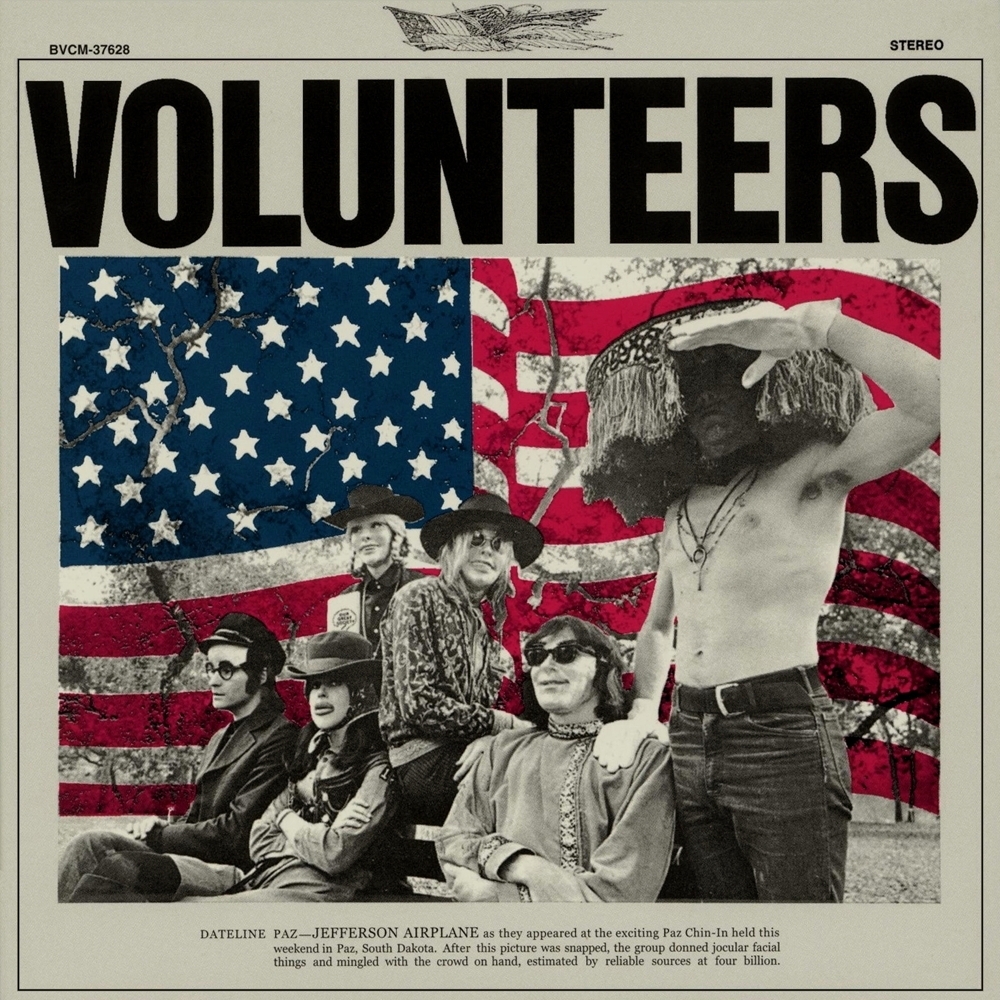
 View Artist