Song Meaning
Jeff Tweedy's "Wedding Cake" presents a fractured tableau of pain, independence, and existential questioning. The opening lines, stark and visceral, immediately plunge the listener into a world of physical discomfort and implied trauma. "My wrist itches, My head aches, I had my stitches pulled / By the wedding cake" is a jarring image, juxtaposing the celebratory symbol of a wedding cake with a sense of violation and recovery. The blood in the sink isn't what you think, Tweedy insists, suggesting a narrative that defies easy interpretation, a wound both literal and metaphorical. The insistence "I'll be OK" feels less like reassurance and more like a fragile declaration of self-preservation. This sets the stage for a deeper exploration of identity and its inherent solitude.
The core of the song meaning seems to revolve around a push and pull between connection and autonomy. Tweedy sings, "I'm a me / More than a we / Is that what you need?" This is a direct challenge, an assertion of individuality that questions the listener's desires or expectations. It's a vulnerable question, hinting at a relationship struggling with the balance between togetherness and personal space. The lyrics suggest a yearning for understanding, a plea to be accepted for one's individual self rather than being subsumed into a collective identity. The idea of being "more than a we" explores the nuances of identity within relationships, and the potential for conflict when those identities clash.
The song takes an even more surreal turn with the lines, "Answer me / Is your uncle gray? / Does he drive into your dreams / And then go away?" These lines defy straightforward interpretation, venturing into the realm of dream logic and subconscious anxieties. The image of a gray uncle driving into dreams evokes a sense of faded memory, perhaps a figure of authority or influence who appears and disappears, leaving a lingering unease. The final lines, "A throbbing pulse / We're all not adults / When we're alone," bring the song to a poignant conclusion. The throbbing pulse represents life's insistent rhythm, a reminder of our shared vulnerability. The acknowledgment that "we're all not adults when we're alone" suggests that even in our most independent moments, we carry within us the anxieties and insecurities of our younger selves. Ultimately, "Wedding Cake" is a complex meditation on pain, identity, and the enduring human need for both connection and autonomy.
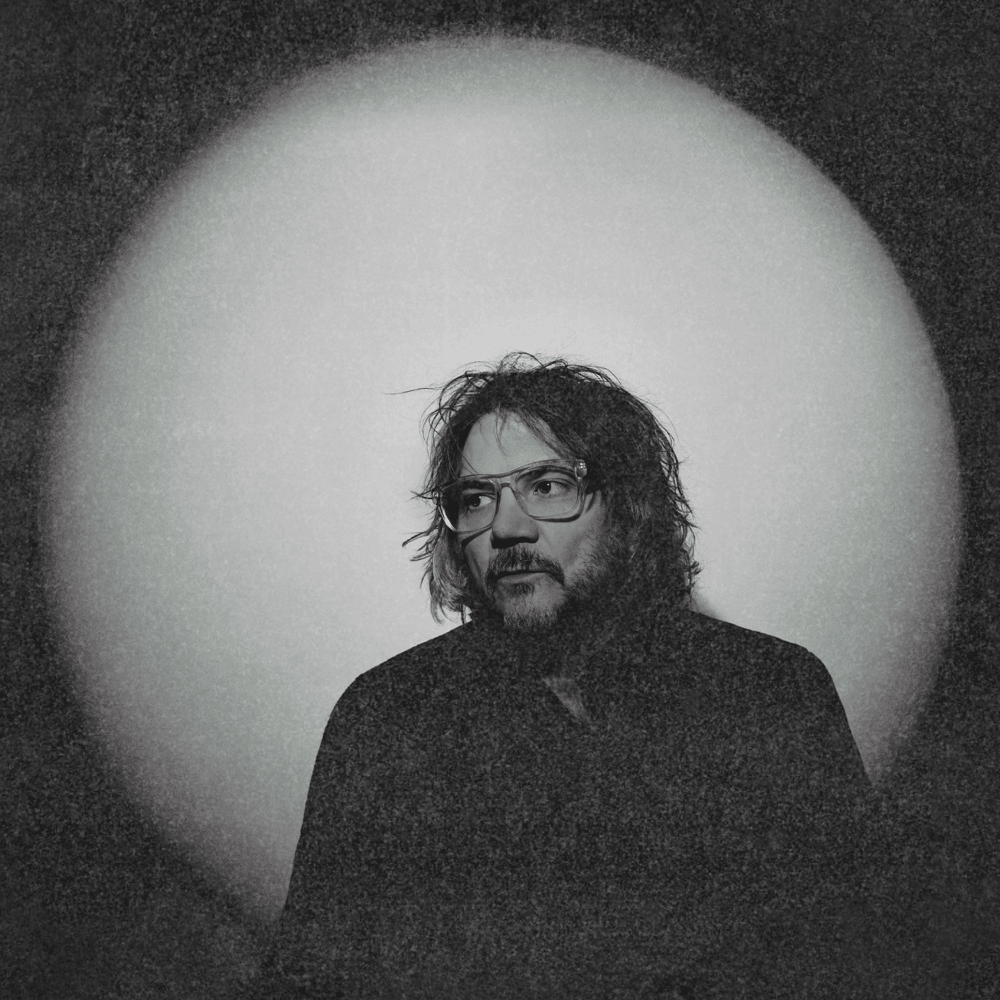
 View Artist