Song Meaning
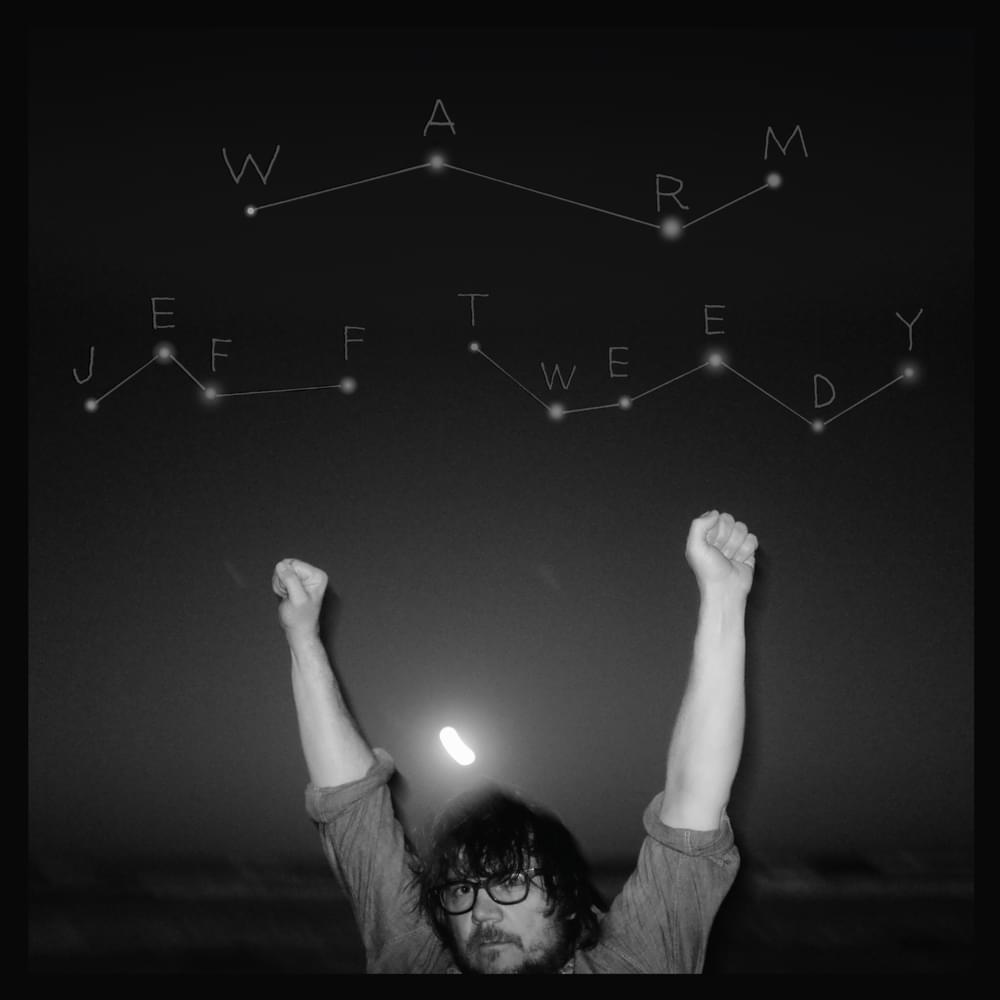
Jeff Tweedy's "Warm (When the Sun Has Died)" isn't a eulogy for optimism, but a pragmatic embrace of inner resilience. The opening lines, "Please take my advice / Worry into your song / Grow away from your anger / Distance belongs," read like a seasoned artist's manual for emotional alchemy. It's a directive to channel anxieties into creative expression and to cultivate detachment from destructive emotions. The song suggests a path towards emotional equilibrium, advocating for the transformation of negative feelings into something productive and manageable. This isn't about suppressing emotions, but rather transmuting them.
The chorus offers a stark declaration: "I don't believe in Heaven / I keep some heat inside / Like a red brick in the summer / Warm when the sun has died." This rejection of traditional notions of afterlife or external salvation is pivotal. Tweedy posits that the source of comfort and strength resides within. The red brick metaphor is particularly potent. A brick, absorbing the sun's heat during the day, radiates that warmth long after sunset. This implies a stored emotional capacity, a reservoir of inner strength that persists even in the face of darkness or despair. The song meaning here hinges on internalized fortitude.
In essence, "Warm (When the Sun Has Died)" is a secular hymn to self-reliance. It acknowledges the inevitability of hardship and loss ("when the sun has died") but emphasizes the power of the individual to generate their own warmth. It's a quiet rebellion against the expectation of external validation or divine intervention, advocating instead for the cultivation of inner resources. The repetition of the chorus reinforces this message, hammering home the idea that true comfort and resilience are self-generated, a personal "heat inside" that defies the encroaching cold.
 View Artist