Song Meaning
Jeff Tweedy's "Blank Baby" isn't a lullaby; it's a jagged-edged psychological portrait. The repeated mantra, "Blank baby," acts as both accusation and desperate plea. Is it a commentary on societal conditioning, or the tabula rasa of a newborn corrupted by experience? The beauty of Tweedy's songwriting lies in the uncomfortable tension between these possibilities. The phrase could even be self-directed, a confrontation with his own creative blocks or past selves. This song is a primal scream disguised as a minimalist chant.
The second verse throws the listener into a disorienting series of actions: self-destructive urges masked as liberation. "Take off your clothes, stop the car, climb out the window, now you're the star" reads like a twisted instruction manual for escaping some unseen pressure. The subsequent lines, "Rip out your tongue, hop a train, get yourself stung, hit yourself sane," suggest a journey of self-inflicted pain as a means to some warped clarity. Tweedy isn't glorifying self-harm; he's mapping the desperate logic of someone at the edge, seeking sensation—any sensation—to feel real.
The final verse offers a glimpse of an observer, perhaps the singer himself, with a detached, almost clinical perspective. "I have a view that overlooks silhouetted steeples, books are people." This juxtaposition of religious imagery and intellectualism suggests a struggle between faith and reason, between the sacred and the profane. The mention of seagulls who "well know" hints at a shared understanding of some unspoken truth or impending doom. Ultimately, "Blank Baby" is a haunting meditation on identity, trauma, and the search for meaning in a world that often feels devoid of it.
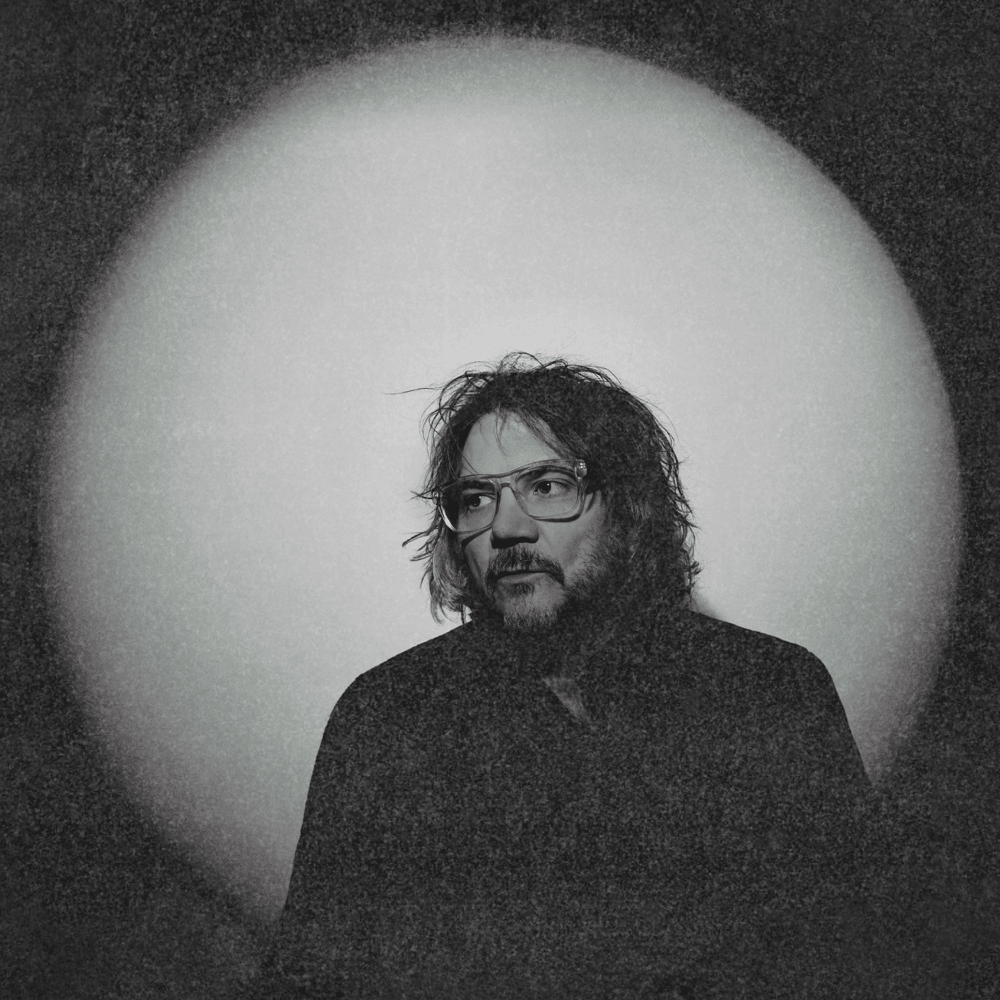
 View Artist