Song Meaning
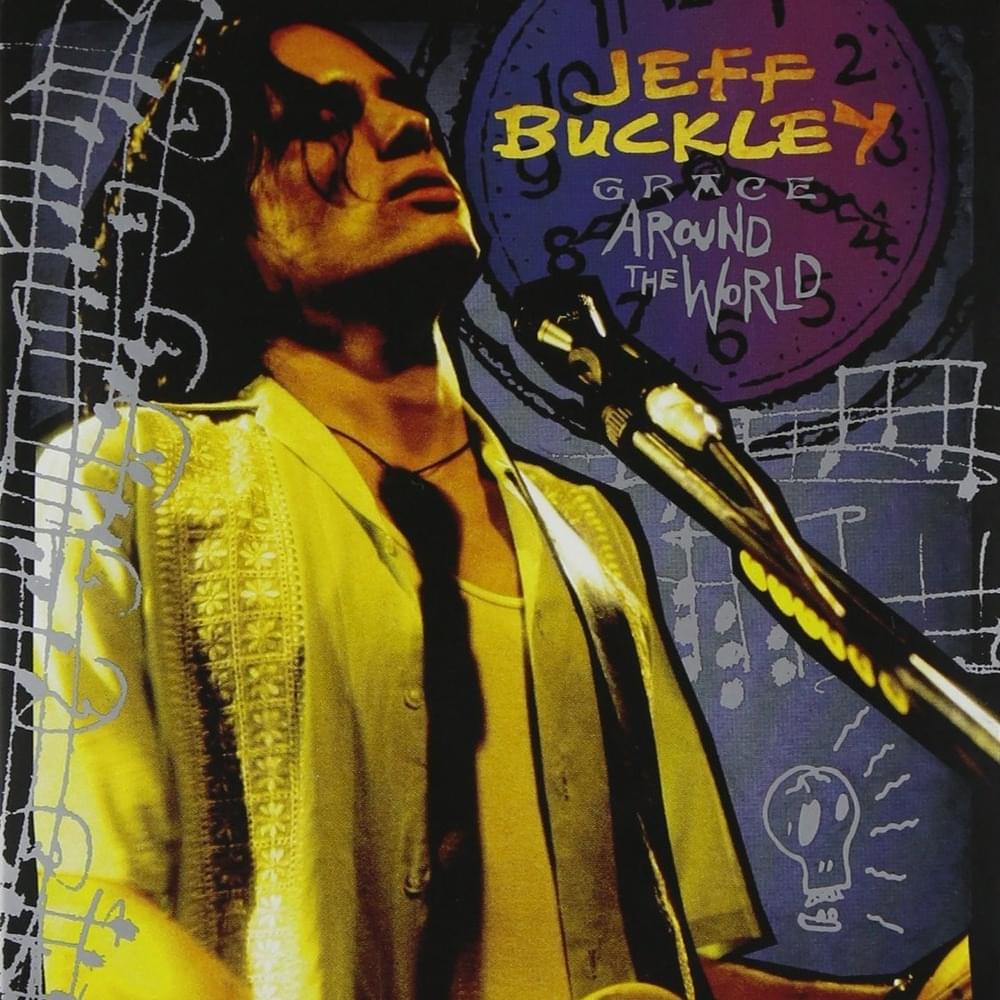
{"song_id": 13755372, "meaning": "Jeff Buckley's live rendition of \"Kanga-Roo,\" particularly this version from the Palais Theatre in Melbourne, feels less like a polished studio track and more like a raw, exposed nerve. The seemingly simple lyrics belie a complex emotional landscape, one painted with fleeting moments of intense connection and an undercurrent of longing. The opening verses, delivered with a fragile vulnerability, depict a first encounter, marked by an almost voyeuristic observation of the other person's unguarded state. The blue jeans and the inability to hide anything in their eyes suggest an authenticity that captivates the narrator. It's not just physical attraction; there's a deeper resonance, a recognition of shared vulnerability. The spoken interlude, a casual invitation to sing along, adds a layer of intimacy, acknowledging the ephemeral nature of the moment and the inevitable parting.
The song then shifts to a party scene, where the object of affection is now a \"queen, oh, so flirty.\" This could represent a shift in perception, a realization that the initial vulnerability was just one facet of a more complex personality. The lines \"I came against them/Didn't say excuse\" hint at a disruption, a deliberate act of challenging the social dynamic to get closer. The subsequent verses, though sparse, suggest a culmination of this pursuit. \"Knew what I was doing/We looked very fine/As we were leaving/As we were making\" are fragmented glimpses of a shared experience, left deliberately vague to allow for multiple interpretations. What they were \"making\" could be anything from a connection to a mistake, but the knowing glances and the sense of purpose are undeniable.
The outro, with its cryptic declaration of \"Saint John/You were a cool jerk/Oh, I want you/Like a kangaroo,\" is the emotional core of the song. The juxtaposition of \"Saint John\" and \"cool jerk\" suggests a conflicted view of the person, someone simultaneously admired and resented. The final line, \"Oh, I want you/Like a kangaroo,\" is the most perplexing. The kangaroo, an Australian symbol, could represent a primal, almost animalistic desire, a yearning for something untamed and perhaps unattainable. Or, more subtly, it could refer to the kangaroo's pouch, representing a desire for safety, closeness, and nurture from the subject. In the end, \"Kanga-Roo\" is a study in desire, where observation, longing, and the push-and-pull of human connection create a portrait of a complex and unforgettable encounter."}
 View Artist