Song Meaning
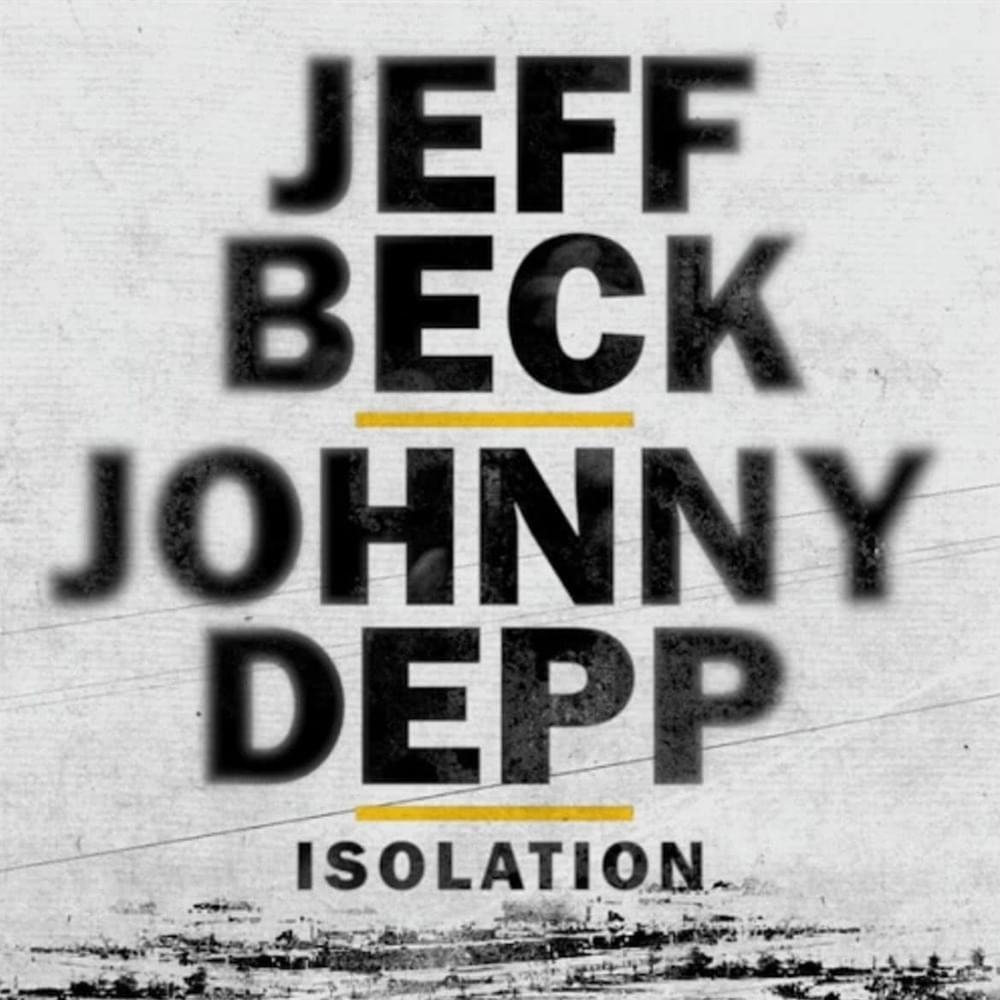
Johnny Depp's "Isolation" isn't subtle; it's a raw nerve exposed, a primal scream echoing the anxieties of a fractured world. The relentless repetition of "Isolation" acts as both a mantra and a lament, driving home the core theme: the pervasive fear that grips individuals despite outward appearances of success or stability. Depp, through the lyrics, suggests that this fear isn't born of solitude alone, but of a deeper societal unease, a collective paranoia that pits us against each other. The line, "People say we got it made / Don't they know we're so afraid?" encapsulates this dichotomy, revealing the vulnerability masked by perceived privilege. The song's verses paint a bleak picture, illustrating the struggle to maintain hope and connection amidst external pressures and internal doubts.
The bridge offers a glimpse of empathy, a recognition that those who inflict pain are often victims themselves. "You're just a human / A victim of the insane" isn't an excuse, but a sobering acknowledgment of the cyclical nature of trauma and the societal forces that perpetuate it. This idea is particularly resonant in the context of Depp's public persona, given the intense media scrutiny and personal battles he has faced. The guitar solos punctuating the verses aren't mere instrumental breaks; they're cathartic releases, wordless expressions of the frustration and despair that words alone can't capture. They mirror the internal emotional turmoil of the lyrics, adding another layer of complexity to the song's meaning.
Ultimately, "Isolation" explores the human condition in the face of overwhelming anxieties. It's a mirror reflecting our shared vulnerabilities, our fears of abandonment, and our struggles to find meaning in a world that often feels hostile. The song doesn't offer easy answers or resolutions; instead, it invites us to confront our own isolation and to recognize the shared humanity that binds us, even in our fear. The repetition of the first verse at the end amplifies the cyclical nature of these feelings, suggesting that the struggle against isolation is an ongoing process, a constant negotiation between our inner selves and the external world.
 View Artist