Song Meaning
Jeff Bates's "Lonesome" isn't just a country song; it's a stark psychological portrait of the aftermath of love. The opening lines hit with the force of a gut punch, detailing the material remnants of a vanished relationship: a single coffee cup, one toothbrush. These aren't just objects; they're anchors to a shared past, now serving as constant reminders of absence. The "one half of the bed cold at night" is a particularly visceral image, evoking the physical and emotional chill that settles in when intimacy disappears. The sparseness of these details amplifies the sense of isolation, suggesting a life suddenly and irrevocably diminished.
The song's core explores the descent into solitude following a rupture. Bates doesn't dwell on the reasons for the split, but rather on the crushing weight of its consequences. The line "One of us just up and disappeared" speaks to the often inexplicable nature of breakups, the sudden void left behind. The mention of "one too many cold and bitter fights" and a "high powered lawyer" hints at a drawn-out, acrimonious end. The legal paperwork becomes a symbol of finality, a cold, official confirmation of personal failure. The gesture of signing the paper, "the hand she used to hold picks up the pen," is loaded with irony and regret, highlighting the transformation of intimacy into legal separation.
Ultimately, "Lonesome" becomes an exploration of the fine line between heartbreak and madness. The repetition of "Lonesome, can drive a man insane" isn't just a lyrical hook; it's a warning. The song acknowledges the potentially destructive power of prolonged isolation, the way it can warp perception and erode sanity. The refrain "win some, lose some, Lonesome" suggests a fatalistic acceptance, a recognition that loss is an inherent part of the human experience. It's a raw, unflinching look at the emotional toll of separation, delivered with the kind of authenticity that resonates long after the song ends. Bates isn't offering platitudes or easy answers, but a shared understanding of the pain of being utterly, devastatingly alone.
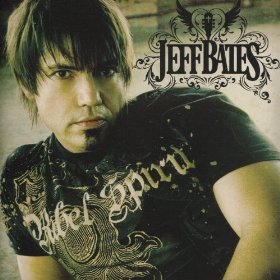
 View Artist