Song Meaning
Jeff Bates's "Already Spent" isn't just a country lament; it's a raw, economic gut-punch delivered with a working-class shrug. The song meaning revolves around the crushing weight of debt and the preposterous notion of financial security for the average American. It's a sardonic commentary on the hamster wheel of modern life, where working harder only digs you deeper into the hole. The opening lines paint a picture of relentless labor, a desperate scramble for extra hours and credit just to stay afloat, a cycle fueled by past expenses and future obligations. There's a weary resignation in the phrase "the American way," suggesting this perpetual indebtedness is not an anomaly but a systemic feature. It's a pointed critique of a system that incentivizes consumption while simultaneously making true financial freedom an illusion for many.
The chorus, the heart of "Already Spent," drips with dark humor. The line "I sleep like a baby cause it's already spent" is particularly biting. It's not peaceful sleep; it's the oblivion of utter exhaustion, the kind that comes from knowing the battle is already lost. The song lyrics dismiss the aspirational financial advice peddled on TV – stocks, bonds, 401ks – as utterly irrelevant to the lived reality of someone whose money is earmarked for debt repayment long before it even hits their bank account. Bates cleverly uses the coffee can as a symbol of a broken retirement dream, filled not with savings, but with IOUs, highlighting the precarity of the working class.
Ultimately, "Already Spent" resonates because it taps into a collective anxiety. It's not a call to arms, but a shared acknowledgement of a rigged game. The repetition of the chorus underscores the feeling of inevitability, the sense that the system is designed to keep people perpetually chasing their tails. The power of the song lies in its unflinching honesty and its refusal to offer false hope. Instead, it provides a kind of grim solace in shared experience: we're all in debt, we're all working ourselves to the bone, and our financial futures are already mortgaged. There's a certain freedom, perhaps, in accepting that reality, a perverse comfort in knowing you're not alone in the struggle.
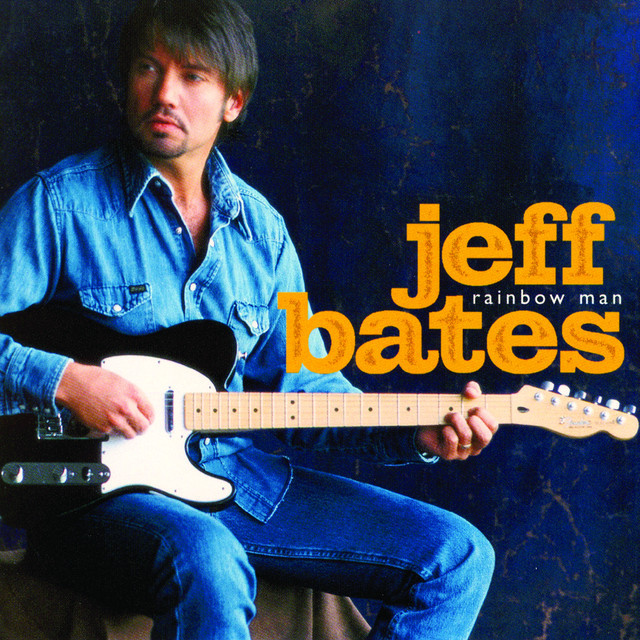
 View Artist