Song Meaning
The narrator starts the day by meticulously preparing, donning a 'best suit' and convincing himself in the mirror that he looks 'alright.' This outward presentation, however, is a fragile defense against an internal struggle. The repeated affirmation of 'alright, alright, alright' feels less like genuine confidence and more like a desperate attempt to self-soothe, a performance for an unseen audience or perhaps just for himself.
The core tension lies in the narrator's profound sense of not belonging, encapsulated by the recurring question, 'How come I wear bad skin?' This 'bad skin' is a metaphor for something that makes him feel fundamentally different and ostracized. It's a barrier that 'closes me in' and leads to the painful conclusion, 'Apparently I don't fit in.' The contrast between the morning's forced composure and the evening's admission of not being 'alright' highlights the exhausting nature of this internal conflict.
The bridge offers a raw plea for genuine connection, asking, 'Do you see beyond my scars?' This shifts the focus from the narrator's internal feelings of inadequacy to a desire for external validation and acceptance. The 'scars' are the visible or invisible marks of whatever constitutes his 'bad skin,' and he's yearning for someone to see past them to the person underneath. The repetition of 'Do you see me?' amplifies this desperate need to be truly perceived and understood.
Ultimately, the lyrics capture the cyclical nature of struggling with self-acceptance and social anxiety. The narrator 'gives up the battle' at night, shedding his defenses along with his clothes, only to resolve to 'try again' the next day. This resignation and renewed hope underscore the persistent, draining effort required to navigate the world when one feels fundamentally flawed or different, making the simple act of existing a daily challenge.
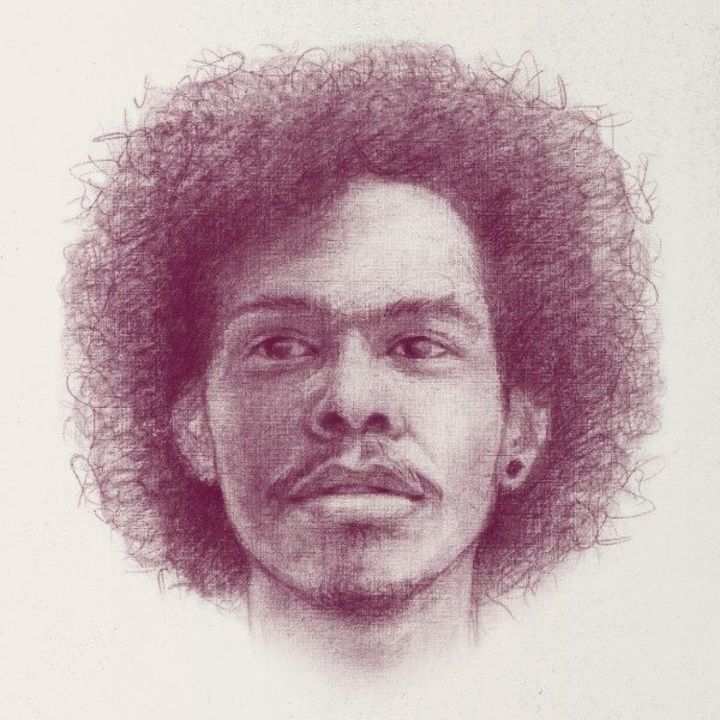
 View Artist