Song Meaning
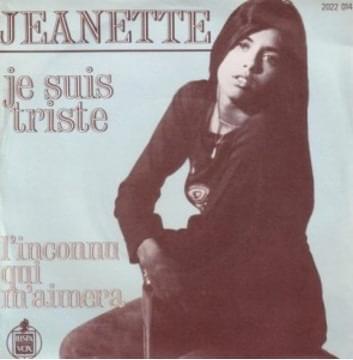
The lyrics paint a picture of a pervasive, unexplainable sadness that settles in during adolescence. The narrator states plainly, "Je ne sais pas / Depuis quand et pourquoi Je suis triste" (I don't know / Since when and why I am sad), establishing a tone of bewildered melancholy. This isn't a fleeting mood; it's a constant companion, present "sans même y penser" (without even thinking about it). The music itself, described as a "chanson / Dont les mots se ressemblent / Sonnent tristes" (song / Whose words resemble each other / Sound sad), mirrors this feeling of inescapable, repetitive sorrow.
The core tension arises from the contrast between the idealized notion of youth and the narrator's lived experience. At sixteen, happiness is supposed to be abundant, a time of "matins sans nuages" (cloudless mornings) and the "bel âge" (beautiful age). Yet, this idealized image clashes with the reality of burgeoning "élans de tendresse" (impulses of tenderness) and a nascent understanding of sadness. The lyrics suggest that this discovery of sadness is an intrinsic part of growing up, an unexpected companion to youthful affections.
A particularly poignant observation comes with the introduction of a boy: "Il suffit qu'un garçon nous surit / Et c'est bête: / On se sent des folies / Plein la tête" (It’s enough that a boy smiles at us / And it’s silly: / We feel madness / All over our head). This fleeting interaction triggers intense emotions, but the subsequent departure of the boy leaves behind a profound sense of loss, where "l'enfant avec lui qui s'efface" (the child with him fades away). This highlights how early romantic interests, even brief ones, can become intertwined with the discovery and solidification of sadness.
Ultimately, the effectiveness of these lyrics lies in their directness and the way they articulate a complex, often ineffable adolescent emotional state. The repetition of "Je suis triste" acts as a refrain, emphasizing the inescapable nature of the feeling. By grounding the sadness in the specific context of being sixteen and experiencing first crushes, the lyrics capture a universal yet deeply personal moment of emotional awakening, where the discovery of love is inseparable from the discovery of sorrow.
 View Artist