Song Meaning
The lyrics paint a picture of someone who feels inherently contrary, an "amanojaku," constantly dreaming but ending up deceived and sulking alone. This self-perception as difficult or contrary is directly linked to a deep-seated loneliness and a cycle of seeking connection only to be rejected. The narrator feels lost, caught in a loop of wanting love and then being pushed away, leaving them in a state of helplessness.
The central tension arises from this desire to return to a simpler, happier past, specifically to the innocence of childhood and days filled with joy. There's a yearning to offer their heart freely to people who can forgive and be forgiven, a stark contrast to their current experience of being hurt and pushing others away. This longing for reconciliation and peace is a powerful undercurrent, suggesting a deep weariness with their current emotional state.
What's particularly striking is the direct juxtaposition of the "amanojaku" persona with the profound wish for forgiveness and shared happiness. The repeated phrase "一人で拗ねてる私" (I'm sulking alone) emphasizes the isolation that the contrary nature seems to breed. Yet, the chorus reveals a desperate hope to "恨み辛み忘れ果てて" (forgetting all grudges and resentments) and to "歌い笑い夢に生きて" (live singing and laughing in dreams), showcasing a profound internal conflict between their perceived self and their deepest desires.
This lyrical construction is effective because it grounds abstract feelings of loneliness and contrarianism in concrete imagery of childhood and forgiveness. The narrator's self-awareness of their difficult nature, coupled with the vulnerability expressed in the chorus, creates a poignant portrait of someone trapped by their own patterns but desperately wishing for an escape into genuine connection and peace. The simple, almost childlike language of the chorus amplifies the sincerity of this yearning.
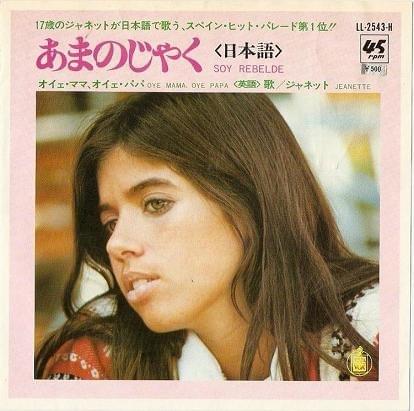
 View Artist