Song Meaning
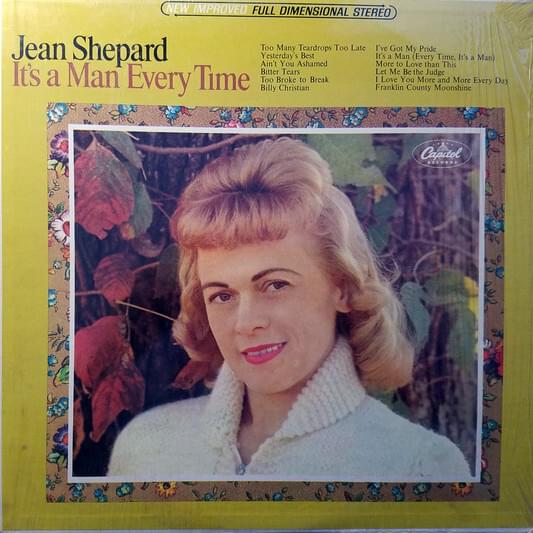
Jean Shepard's "Too Many Teardrops Too Late" is a masterclass in country music's capacity to distill heartbreak into its most potent form. The song isn't just about romantic regret; it's a forensic examination of emotional calculus. The narrator receives a plea for forgiveness – a letter, no less, a relic of a bygone era of intimacy. But the gesture, laden with 'teardrops,' arrives long after the damage is done. The repeated line, 'Too many teardrops too late,' isn't merely a lament; it's a shield, a mantra against succumbing to the siren song of reconciliation. Shepard's delivery, steeped in world-weariness, underscores the high cost of betrayal. She's not just rejecting a lover; she's rejecting a cycle of pain.
The power of "Too Many Teardrops Too Late" lies in its stark simplicity. There are no elaborate metaphors, no flowery language. The core conflict is laid bare: the lingering affection ('My heart don't know what to do') versus the self-preservation born of experience ('If I took you back again then you'd hurt me in the end'). This tension is the engine of the song, propelling it beyond a simple tale of woe and into a territory of hard-won wisdom. The 'teardrops' themselves become a symbol of performative remorse, a currency devalued by repeated use. They represent not genuine sorrow, but a manipulative tactic deployed too often to retain control.
Ultimately, Jean Shepard's song speaks to the listener about the difficult but necessary act of setting boundaries against a repeat offender. The narrator acknowledges the persistent pull of emotion, the vulnerability to past connection, but chooses self-respect. "Too Many Teardrops Too Late" isn't just a kiss-off; it's a declaration of independence from emotional manipulation. It's about recognizing the difference between authentic change and hollow gestures, and choosing oneself in the face of repeated disappointment. The song's genius is its capacity to transform personal pain into a universal anthem of resilience.
 View Artist