Song Meaning
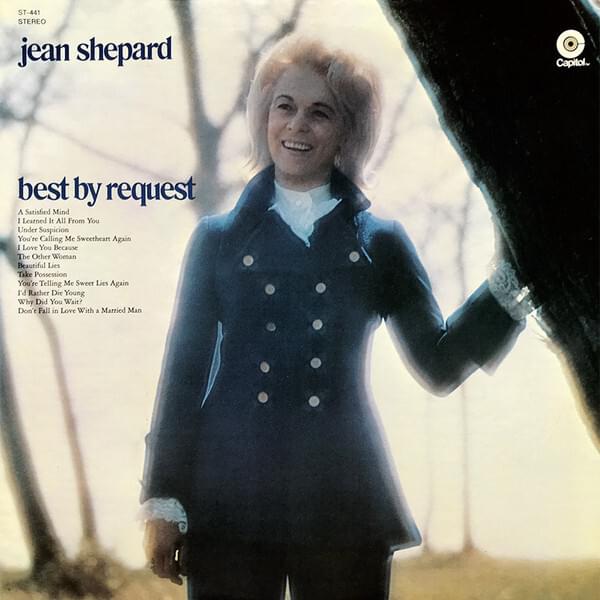
Jean Shepard's "The Other Woman" isn't a tale of seduction, but a stark portrait of justification. The song meaning hinges on the protagonist's unwavering, almost defiant, claim to love as validation. She acknowledges the moral complexities – "Maybe I'll be sorry and maybe she's right and maybe I'll have to pay" – yet brushes them aside with the brute force of her emotions. The core of the song lies not in rationalizing infidelity, but in the raw, unapologetic assertion of her own feelings. It's a classic country music trope turned on its head: instead of wallowing in guilt or begging for forgiveness, she claims victory through affection, however ethically dubious.
The lyrics offer a fascinating psychological study in cognitive dissonance. The woman is fully aware of the pain she inflicts ("You've heard how I cheat, you've heard how I lie"), but she reframes her actions through the lens of 'true' love. This love, she insists, transcends societal norms and marital vows. The repetition of "He loves me, he loves me, that's all that matters" becomes a mantra, a self-soothing mechanism designed to drown out the nagging voice of conscience. It's a fascinatingly flawed logic, built on the shaky foundation of emotional need.
Ultimately, "The Other Woman," is a masterclass in self-deception. Shepard’s delivery, combined with the song’s directness, creates a character both pitiable and unsettling. While the listener might recoil at the ethical implications, there's a visceral understanding of the character’s desperation. The song resonates because it taps into a primal human desire: the need to be loved, to be chosen, even if it means bending reality to fit that narrative. The song's power isn't in condoning the affair, but in exposing the vulnerable, self-serving psychology behind it.
 View Artist