Song Meaning
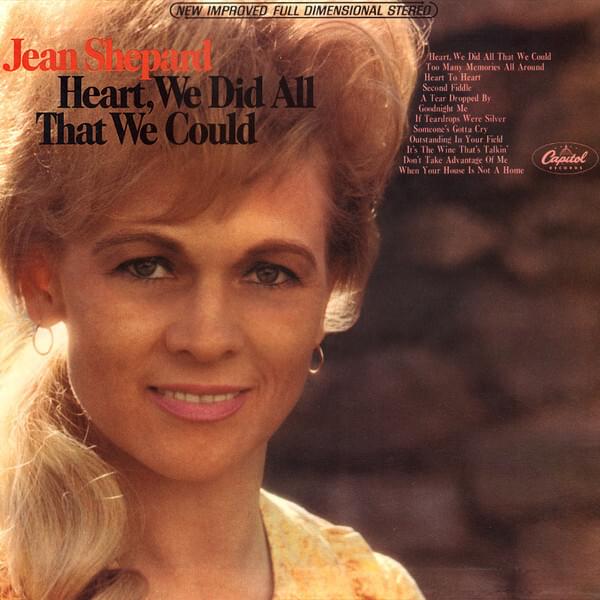
In Jean Shepard's "Second Fiddle (To an Old Guitar)," the listener is immediately plunged into the raw emotional fallout of a love triangle – albeit one involving an inanimate object. But to call the guitar 'inanimate' misses the entire point. The song isn't just about jealousy; it's a lament about misplaced priorities and the slow erosion of intimacy. The lyrics paint a vivid picture of a relationship where the male partner's ambition, manifested through his guitar, has become an insurmountable barrier. The guitar isn't merely a hobby; it's a symbol of his dreams, his aspirations, and ultimately, his emotional detachment from his partner. The phrase "second fiddle" is the core of the song's meaning: she feels relegated to a secondary role, an afterthought in her partner's life, while the instrument receives the lion's share of his attention and affection. It speaks to a deep-seated insecurity and the pain of feeling unvalued.
The brilliance of the song lies in its subtle articulation of resentment. It's not a fiery outburst of anger, but rather a weary resignation. The woman isn't necessarily angry at the guitar itself, but at what it represents: a broken promise of a shared future. The lyrics, "You gaze at that guitar on your knee / In a way that you never look at me," are particularly poignant, highlighting the profound disconnect between the couple. It's a stark portrayal of emotional neglect, where the partner's passion has morphed into an obsession that consumes him, leaving little room for the relationship. The song deftly captures the feeling of being replaced, not by another person, but by an ambition.
Ultimately, "Second Fiddle (To an Old Guitar)" resonates because it taps into a universal fear: the fear of being overlooked, of being deemed less important than someone or something else. The song’s meaning extends beyond the literal interpretation of a woman being jealous of a guitar; it speaks to the broader theme of how dreams and aspirations can sometimes overshadow and ultimately damage our closest relationships. The final verse hints at her own attempt to reclaim some agency within the relationship, a last-ditch effort to be heard above the strings. However, the prevailing sense is one of defeat, making the song a melancholic, yet powerful, exploration of love's fragility in the face of ambition.
 View Artist