Song Meaning
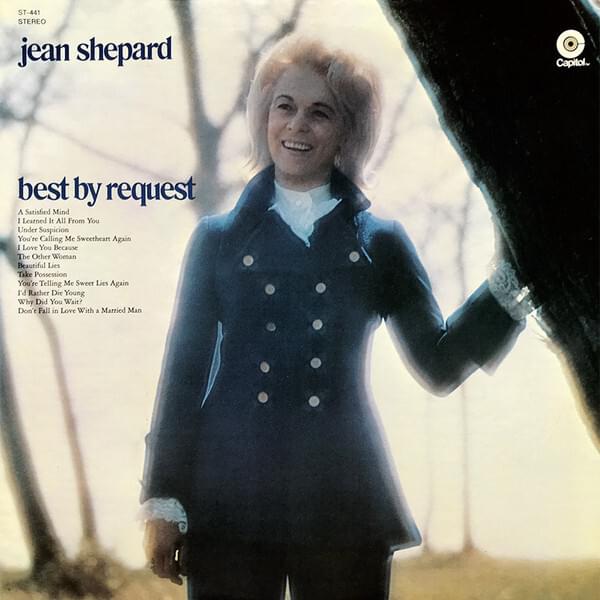
Jean Shepard's "I'd Rather Die Young (Than Grow Old Without You)" isn't just a plea for love; it's a raw, unfiltered look at the terror of abandonment. The song's central thesis, starkly delivered in the title, confronts the listener with a high-stakes ultimatum. It's not about romantic idealism; it's about the speaker's perceived inability to survive emotionally without their partner. The hyperbolic claim of preferring death underlines the depth of this dependency, suggesting a fragile sense of self intrinsically linked to the relationship. The lyrics paint a picture of someone haunted by the prospect of being replaced, the idea of another's 'picture hung' where hers once was a particularly painful image of erasure. This isn't just heartbreak; it's a potential identity crisis.
The repetition of 'Don't leave me' in the bridge strips away any pretense, revealing the bare vulnerability driving the entire song. The speaker isn't offering a reasoned argument for staying together; they're articulating a primal fear. The verses touch on the partner's potential infidelity, but the focus isn't on betrayal in a moral sense. Instead, the 'secret affair' represents a catastrophic threat to the speaker's existence. It implies a world where the partner's attention and affection—the very things that validate the speaker's sense of self—are diverted elsewhere.
Ultimately, "I'd Rather Die Young" is a stark exploration of codependency and the desperate measures one might contemplate when facing the void of loneliness. Shepard's rendition, delivered with classic country heartbreak, transforms what could be a simple love song into a chilling study of emotional reliance. The song resonates because it taps into a universal fear—the fear of being utterly alone and the lengths we might go to avoid it.
 View Artist