Song Meaning
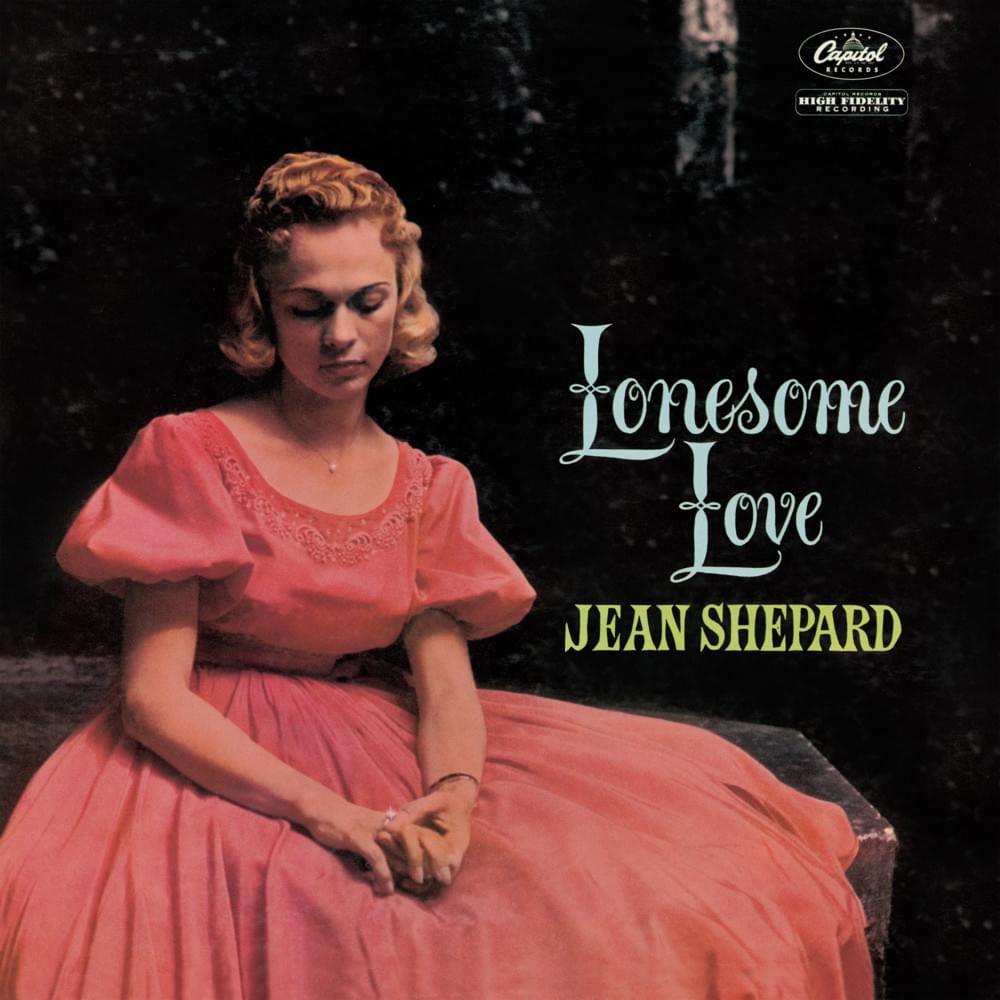
Jean Shepard's "I Hate Myself" isn't just a country lament; it's a raw, almost primal scream of regret. The song's power lies in its brutal honesty. There's no elaborate storytelling, no complex metaphors – just a direct and unflinching admission of guilt. The simplicity is the point. The singer isn't trying to justify her actions or deflect blame; she's wallowing in the consequences of her mistakes. It's a stark contrast to the often romanticized portrayals of heartbreak in country music.
The core of the song meaning revolves around the singer's desperate plea for forgiveness. Lines like "Why won't you take me back again?" are repeated not as a manipulative tactic, but as a genuine expression of remorse. The raw emotion is palpable, suggesting a profound understanding of the damage she's inflicted. The lyrics analysis reveals a cyclical pattern of self-loathing and longing, a desperate attempt to undo the past. The phrase "I hate myself" isn't a teenage outburst; it's the agonizing realization of having betrayed someone's trust and love.
Ultimately, "I Hate Myself" explores the darker side of relationships and the enduring pain of regret. Shepard's straightforward delivery amplifies the emotional weight of the lyrics. The song's stark simplicity, devoid of any attempts to sugarcoat the singer's culpability, makes it a haunting and unforgettable exploration of self-condemnation and the desperate yearning for redemption.
 View Artist