Song Meaning
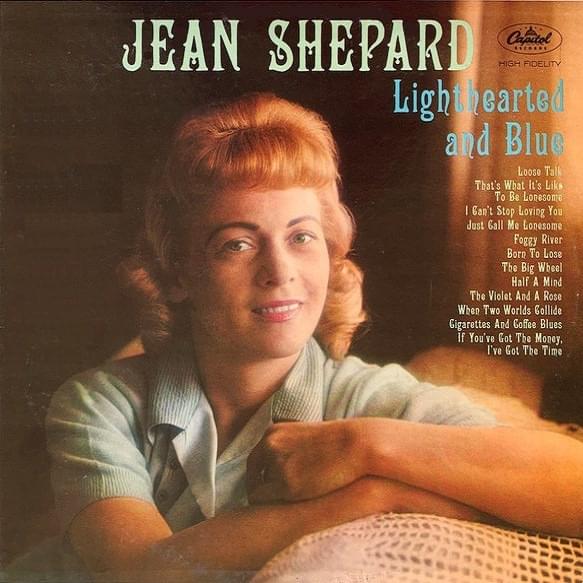
Jean Shepard's "Foggy River" isn't just a country lament; it's a masterclass in atmospheric heartbreak. The river, of course, is no literal waterway but a psychic space, a landscape of emotional desolation. The "fog" isn't meteorological but a suffocating cloud of grief and betrayal. Shepard immediately establishes the core wound: a love "colder than a foggy river flowing o'er a heart of stone." The chilling image evokes not just indifference, but active cruelty—a deliberate freezing of affection that leaves the narrator marooned. This isn't a clean break; it's a slow, agonizing abandonment. The river imagery becomes a powerful metaphor for inescapable sorrow. She's "drifting helpless and alone," trapped in a cycle of memories and regret, where "there's no tomorrow...only mem'ries linger on." Each line adds another layer to the suffocating atmosphere. It is a sonic embodiment of loneliness.
The song's genius lies in its simple yet devastating exploration of emotional dependency. The narrator isn't just sad; she's utterly lost without her lover's affection. The "foggy river" becomes her entire world, a prison built of broken promises and shattered expectations. The plea, "Oh heaven help me on this foggy river help me find the distant shore," is not a request for rescue, but a desperate attempt to regain agency. It's a recognition that she must navigate this pain alone, steering her own course through the swirling mists of despair.
Underneath the surface of heartbreak, "Foggy River" hints at a deeper psychological understanding of toxic relationships. The line, "I always knew some day you'd let me down," suggests a pattern of disappointment, a history of unfulfilled promises that the narrator has come to expect. Yet, she remains tethered to this destructive love, "doomed to sail this foggy river till I leave your love behind." The song's power resides in this painful paradox: the awareness of the relationship's toxicity juxtaposed with the inability to break free. It's a raw, unflinching portrayal of love as addiction, a theme that resonates far beyond the confines of traditional country music. The song meaning, ultimately, lies in its exploration of this complex, painful dynamic.
 View Artist