Song Meaning
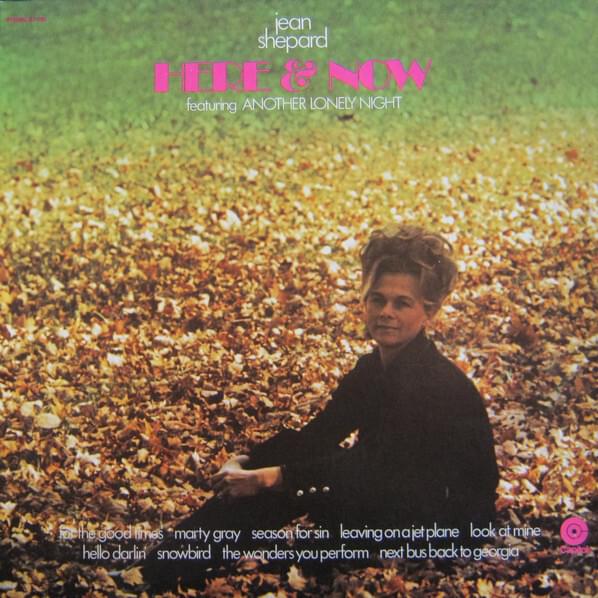
Jean Shepard's "Another Lonely Night" isn't just a country ballad; it's a stark psychological portrait of cyclical abuse and self-deception. The song meaning resides in the agonizing tension between hope and experience, the listener viscerally aware that the narrator is trapped in a destructive pattern. Each verse drips with the specific agony of a woman clinging to dwindling promises, the 'morning' representing not just the literal sunrise but the recurring false dawn of reconciliation. Her lover's apologies are as predictable as his absences.
The lyrics themselves paint a picture of near-paranoia. Every creak of the house amplifies her anxiety, a hyper-vigilance born from repeated abandonment. The echo of her own voice becomes a cruel reminder of her isolation. Shepard doesn't shy away from portraying the vulnerability that keeps the narrator ensnared. The fleeting moments of apparent sincerity – 'the eyes that ask forgiveness, the voice that says I love you' – are enough to override her better judgment, perpetuating the cycle of loneliness and reconciliation.
Ultimately, "Another Lonely Night" is a masterclass in country music's ability to excavate the darker corners of the human heart. It's a song about the insidious power of hope, even when that hope is repeatedly betrayed. The true tragedy isn't just the lonely nights, but the narrator's willingness to 'take another chance,' knowing full well the pain that awaits. Shepard’s delivery, raw and emotionally exposed, only deepens the song's haunting impact, making it a timeless exploration of codependency and the desperate search for love in the wrong places.
 View Artist