Song Meaning
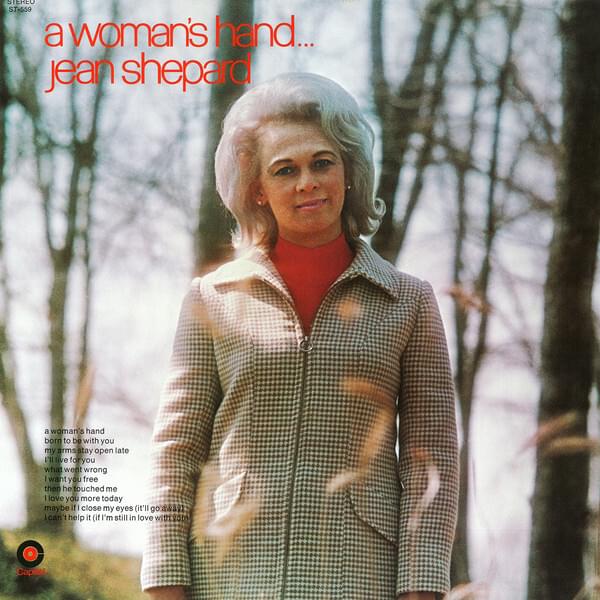
Jean Shepard's "A Woman's Hand" isn't just a country tune; it's a complex portrait of codependency masquerading as traditional values. The lyrics, seemingly a straightforward ode to a woman's supportive role, quickly unravel into a vision of stifling control. Shepard sings, "I'm gonna stay right here beside him cause a woman's place is with her man," framing her devotion as geographic confinement, a kind of romantic prison. The repeated emphasis on a man's supposed helplessness—"So many times a man gets lonesome and that's when he needs a helping hand"—positions women not as partners but as perpetual caregivers, infantilizing their male counterparts. The song meaning hinges on this power dynamic.
The idea of a "woman's hand" being both "soft and gentle" yet capable of immense influence is central to the song's unsettling undercurrent. It suggests a manipulation enacted under the guise of tenderness. Shepard's assertion that "the power of love is in a woman's band" could be interpreted as empowering, but the broader context paints a picture of enforced domesticity. The lyrics imply that a woman's love is conditional on her fulfilling a specific, subservient role.
The song reaches its most disturbing point with the lines: "It's a woman's hand that makes a man go searching/It's a woman's hand that makes a man stay home/For he can't do either one without a woman/It's a woman's hand that leads him right or wrong." This isn't about partnership; it's about absolute control. The lyrics strip the man of agency, casting the woman as the sole determinant of his actions, whether virtuous or destructive. "A Woman's Hand," then, is not a celebration of feminine strength, but a cautionary tale about the insidious nature of control and the erosion of individual autonomy within a relationship. It’s a chilling examination of how seemingly traditional values can mask a darker reality of power imbalance.
 View Artist