Song Meaning
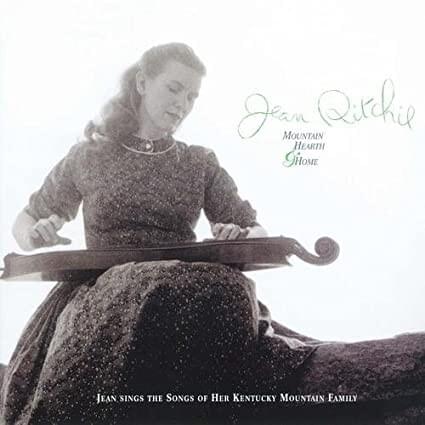
Jean Ritchie's rendition of "The Cuckoo" isn't just a folksong; it's a psychological portrait of resilience painted with deceptively simple strokes. The cuckoo, a recurring symbol in folk music, is initially presented as a harbinger of truth and beauty, a creature whose song is pure and tied to the natural cycle of renewal. But Ritchie subtly twists this pastoral image, using the cuckoo's freedom as a contrasting mirror to the potential constraints and heartbreaks of human relationships, particularly for women. The seemingly innocent verses about the bird act as a framing device for the song’s core message. A warning: love can be as fleeting as the spring itself.
The song's middle verse shifts dramatically, offering a stark caution to "young women" against investing their entire emotional landscape in the fickle affections of men. It's a blunt acknowledgment of patriarchal power dynamics, where a woman's worth is often tied to her romantic relationships. The imagery of withering roots and decaying branches vividly illustrates the potential for emotional devastation when such bonds break. This isn't merely a tale of heartbreak; it’s a survival guide, urging self-reliance and a recognition of the precariousness of relying on another's love for validation.
However, the song doesn't wallow in despair. The third verse is a defiant declaration of independence. The singer vows not to be consumed by sorrow if forsaken, rejecting the societal expectation that a woman's life should be defined by her romantic attachments. Instead, she envisions a future of self-improvement and emotional autonomy, walking "as light by him / As he can by me." This is a powerful assertion of agency, a refusal to be victimized by heartbreak. The return to the cuckoo imagery at the end reinforces this theme: like the bird, the singer aims to maintain her freedom and clarity, finding her own source of strength and renewal independent of romantic entanglements. Ultimately, Jean Ritchie's "The Cuckoo" is a complex exploration of love, loss, and the enduring power of female resilience in the face of societal pressures.
 View Artist