Song Meaning
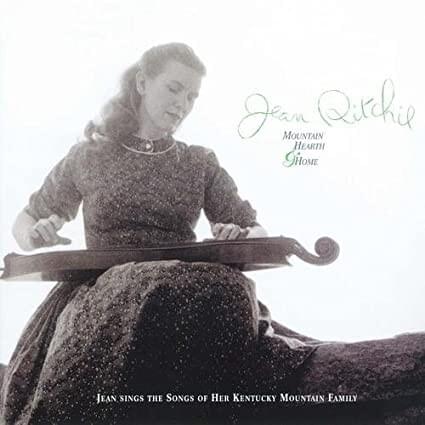
Jean Ritchie's deceptively simple-sounding "Killy Kranky" isn't just a children's ditty; it's a coded expression of the body's limits and the joy found in pushing past them. The repetitive structure and seemingly nonsensical lyrics – "Killy Kranky is my song / Sing and dance it all day long" – lull the listener into a false sense of security, a playful invitation to movement. But beneath the surface lies a subtle commentary on physical risk and resilience. The playful instructions from 'elbow to wrist' or 'elbow to knee' map a journey of physical exploration, and perhaps overexertion.
The chorus, with its stark admission of broken limbs, punctures the initial innocence. "Broke my arm, broke my arm / Swingin' pretty Nancy / Broke my leg, broke my leg / Dancin' Killy Kranky" serves not as a deterrent, but almost as a badge of honor. It's an acknowledgement of the potential cost of uninhibited expression and physical abandon. The act of "swingin' pretty Nancy" suggests a social or communal element, perhaps a traditional dance or game where the risk of injury is inherent but accepted.
Ultimately, "Killy Kranky" embraces the bittersweet reality of embodied experience. The song meaning resides in the tension between the carefree invitation to dance and the blunt acknowledgement of physical consequence. It's a celebration of movement, even when that movement leads to bumps, bruises, and maybe even a broken bone or two. The song suggests that the experience, the connection, and the joy are worth the risk. Jean Ritchie’s rendition reminds us that sometimes the most profound experiences leave a mark, and that those marks are part of the story.
 View Artist