Song Meaning
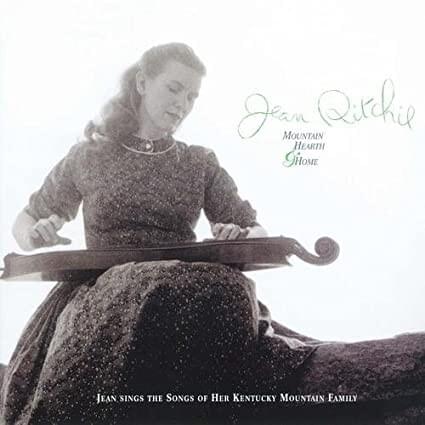
Jean Ritchie's rendition of "Come All You Fair and Tender Ladies" isn't just a folk song; it's a stark cautionary tale passed down through generations, a primal scream against the age-old betrayal of trust in romantic relationships. The opening verse immediately sets the tone, addressing women directly with a warning about the fickle nature of men. The 'bright star on a cloudy morning' metaphor isn't subtle, but its simplicity is its power, painting a picture of fleeting allure followed by inevitable disappearance. It speaks to the deeply ingrained fear of abandonment and the painful realization that initial charm can be deceptive. The lyrics analysis reveals a timeless exploration of heartbreak. This isn't about flowery language; it's about raw, exposed vulnerability.
The second verse digs deeper into the performative aspect of courtship, highlighting the discrepancy between professed love and actual behavior. The speed with which the lover moves on to another underscores the devastating impact of infidelity. It's the emotional whiplash that leaves the singer reeling, questioning the authenticity of everything she thought she knew. The subsequent verses shift inward, exploring the singer's desire for escape. The sparrow metaphor is classic, representing freedom from earthly pain. But the crucial turning point is the acknowledgement of her own limitations: 'I am not no little sparrow.' This isn't a flight of fancy, but a grounded confrontation with reality.
Ultimately, "Come All You Fair and Tender Ladies" is about the acceptance of sorrow. There's no grand gesture of revenge or self-pity, just a quiet resignation to 'sit right here in my grief and sorrow.' The final line, 'And pass my troubles by and by,' suggests a slow, arduous process of healing, a gradual erosion of pain over time. The song meaning lies not in finding a solution to heartbreak, but in acknowledging its presence and finding the strength to endure. It's a testament to the resilience of the human spirit, even in the face of profound disappointment. Jean Ritchie’s interpretation amplifies the song’s inherent honesty, making it resonate with anyone who has experienced the sting of lost love.
 View Artist