Song Meaning
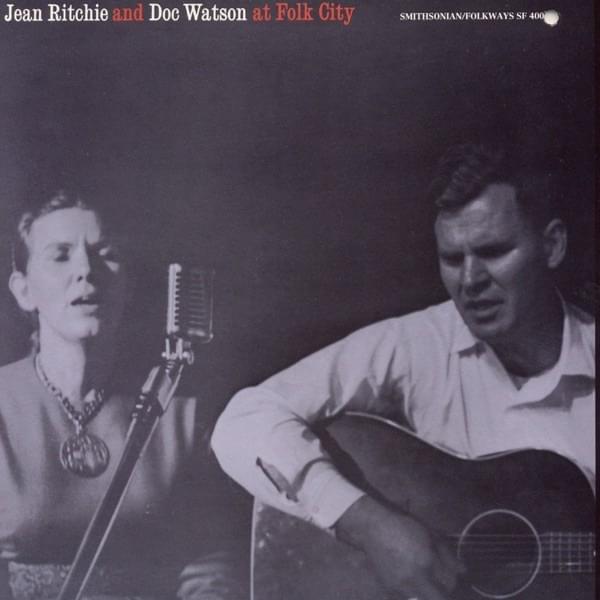
{"song_id": 13095056, "meaning": "Doc Watson's rendition of \"Pretty Saro\" isn't just a folk song; it's a miniature study in longing and the quiet desperation of unrequited love. The setting itself—a \"lone valley in a lonesome place\"—immediately establishes a psychological landscape of isolation. The whistling birds, rather than offering solace, amplify the singer's solitude. This isn't a lover serenading his beloved; it's a man exiled to the fringes of his own desire. The repeated farewell, \"Farewell pretty Saro, I bid you adieu / But I'll dream of pretty Saro wherever I go,\" underscores an acceptance of loss, but also a stubborn refusal to let go of the dream.
The stark reality of the second verse grounds the ethereal longing in hard economic terms. Saro's rejection isn't framed as a matter of personality or affection, but of practical necessity. She desires a \"freeholder who owns house and land,\" someone who can provide security. The singer's inability to offer \"silver and gold\" or \"fine things\" isn't just a financial lack; it's a symbolic castration. He's rendered powerless in the face of societal expectations and the material demands of love. This verse provides a critical lens, revealing the social pressures that often dictate romantic outcomes, especially in the historical context of the song.
The final verse shifts into a realm of fantasy and wish fulfillment. The desire to be a merchant, capable of writing \"a letter that she'd understand,\" speaks to a deeper yearning for agency and the power of communication. The river, a symbol of constant flow and change, becomes the vehicle for his unfulfilled desires. But even in this imagined scenario, the song circles back to the inescapable reality: \"I'll dream of pretty Saro wherever I go.\" The dream, however bittersweet, becomes the only space where he can possess her, highlighting the poignant intersection of socioeconomic constraints and the enduring power of human emotion."}
 View Artist