Song Meaning
The lyrics paint a scene of powerful rulers gathering, their collective purpose stated: to find the newborn king whose star they've witnessed. This sets up an immediate tension between earthly authority and a celestial sign, hinting at a power that transcends worldly dominion. The repeated phrase "Reges terrae congregáti sunt" emphasizes the unprecedented nature of this convergence, suggesting a significant, even disruptive, event is unfolding.
The core dramatic conflict lies in the search for this prophesied king, a figure whose arrival is heralded by a cosmic anomaly. The rulers, accustomed to their own power, are driven by curiosity and perhaps a sense of unease to seek out this new presence. Their journey to "Judǽam" and their declaration "Ubi est qui natus est rex magnus" highlight the contrast between their established might and their quest for a king whose legitimacy is marked by divine signs rather than earthly conquest.
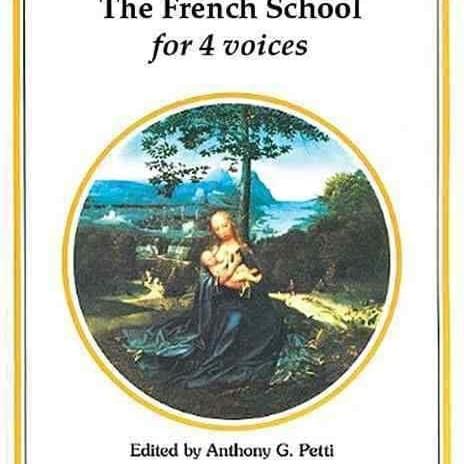
The most striking aspect is the swift transition from the grand pronouncements of kings to the intimate discovery of the child. The lyrics move from "congregáti sunt" (they are gathered) to the singular "puérum cum María matre ejus" (the child with his mother Mary). This juxtaposition powerfully underscores the humility of the divine arrival, contrasting the might of the "reges terrae" with the vulnerability of an infant, thereby elevating the spiritual significance over temporal power.
This narrative's effectiveness stems from its directness and the stark contrast it establishes. The lyrics don't linger on complex emotions but present a clear, almost stark, depiction of a momentous event. The act of the kings falling down and offering gifts – "aurum, thus, et myrrham" – solidifies the recognition of this child's unique status, making the divine revelation feel both grand and deeply personal.
 View Artist