Song Meaning
The lyrics paint a stark picture of a "parcours de la peine" – a journey of suffering or hardship – that is both interrupted and perpetually ongoing. It begins with a fleeting, almost mythical pause "à l'échancrure vierge / Du corps d'une fée," suggesting a moment of pure, perhaps innocent, beauty or solace. However, this respite is temporary, as the journey "Continue aujourd'hui / Jusqu'en ma chair même," indicating a deep, personal, and inescapable pain that has become ingrained.
The central tension lies in the narrator's profound disorientation and doubt. The repeated question, "Dis-moi qu'est le bon le mauvais / Que puis-je croire," reveals a crisis of faith and morality. This suffering has eroded their ability to discern right from wrong, leaving them adrift in a sea of uncertainty. The journey is not just external but an internal erosion of their moral compass, making even the most basic truths seem questionable.
The imagery shifts dramatically from the ethereal "fée" to the grim "musaraignes" and "vautours" that accompany the daily continuation of this painful path. This contrast highlights the brutal reality that follows the brief escape. The pain is further intensified by the image of "tes hanches ensanglantées," a visceral and disturbing detail that directly links the narrator's suffering to another person's wounds, leading to the heartbreaking conclusion, "Je ne peux croire qu'on s'aime." This suggests a profound betrayal or a love that is inextricably bound to pain and destruction.
Ultimately, the effectiveness of these lyrics stems from their raw, unflinching portrayal of a suffering that is both deeply personal and existentially confusing. The juxtaposition of a brief, almost magical interlude with the relentless, flesh-and-blood continuation of pain creates a powerful emotional arc. The narrator's desperate plea for guidance in distinguishing good from evil, coupled with the inability to believe in love amidst such devastation, leaves a lingering sense of profound despair and broken trust.
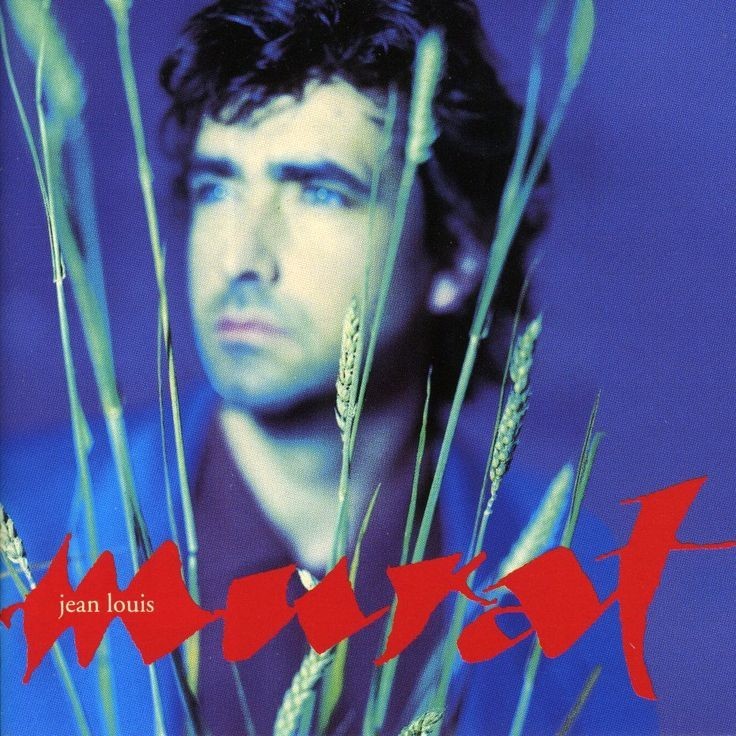
 View Artist